
Local
Junee’s road toll stubbornly high despite fewer crashes, new data shows

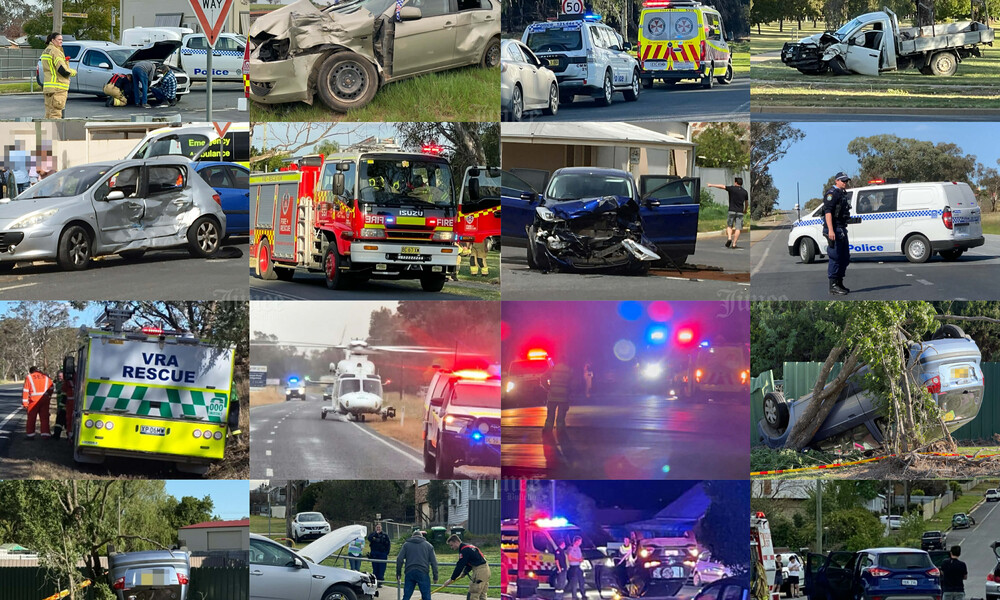
JUNEE’S road toll remains disproportionately high, despite a noticeable drop in the total number of crashes across the shire, a new five-year analysis has revealed.
Fresh figures compiled under the NSW Government’s Local Government Road Safety Program show Junee recorded a fatality rate of 10.9 per cent between 2019 and 2023.
That’s higher than Coolamon (9.1 per cent), Bland (8.3 per cent) and Temora (7.1 per cent), and more than five times the NSW average of 1.9 per cent.
The findings, drawn from a recent combined crash analysis across the four LGAs, paint a stark picture.
More accidents in every shire resulted in death or serious injury than in moderate or minor injuries, underscoring persistent patterns of high-severity crashes on regional roads.
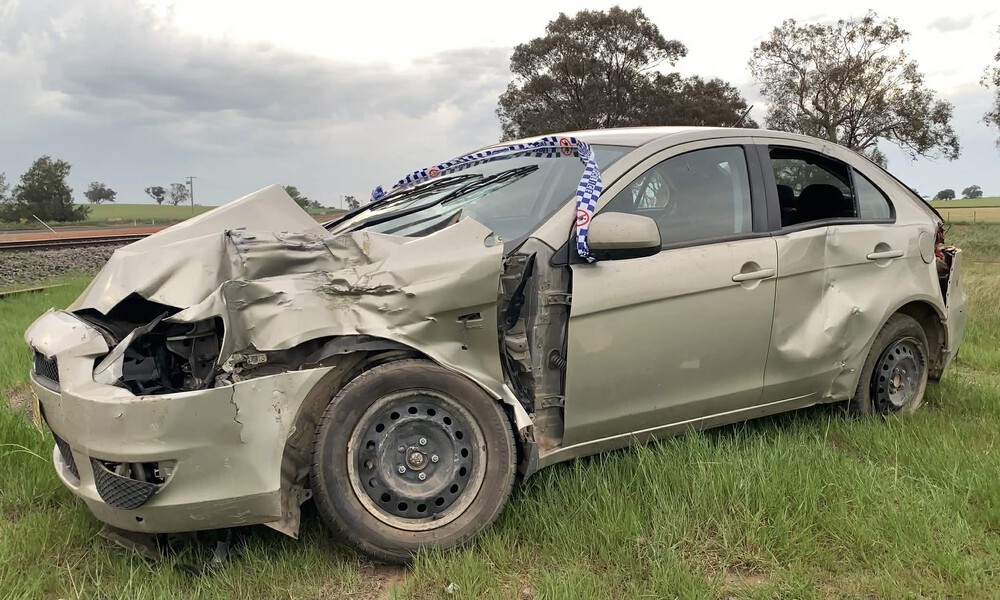
A car sits damaged after colliding with a train at the Rockview level crossing between Old Junee and Marrar in September 2019 | Photo: © The Junee Bulletin
The analysis forms the backbone of an updated 2025–2029 joint road safety action plan, recently tabled before Junee Shire Council.
The report describes the plan as a “robust, data-driven roadmap” designed to lift road safety outcomes through closer collaboration with stakeholders, community education and targeted interventions.
Crashes fall, but severity remains alarming
During the study period, Junee recorded 55 crashes resulting in six deaths and 72 injuries.
That is a reduction from the 76 crashes logged during the previous five year period (2015-2019), which resulted in seven deaths and 100 injured people.
While the downward trend in total crashes is encouraging, the persistent fatality rate has become a central concern for road safety planners.
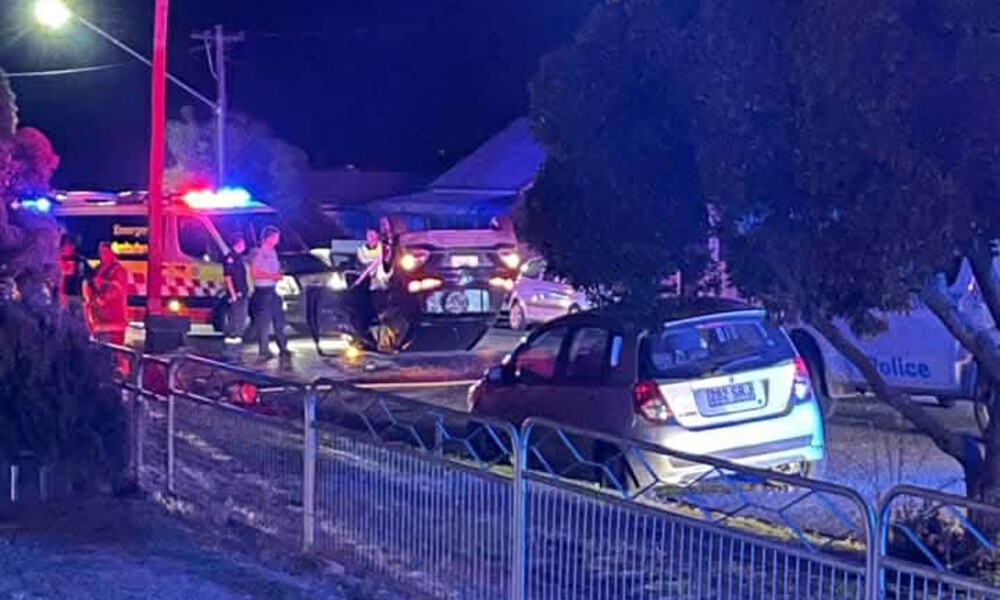
A car pictured on its roof following a serious crash in Regent Street, Junee on 11 October, 2021 | Photo: Supplied
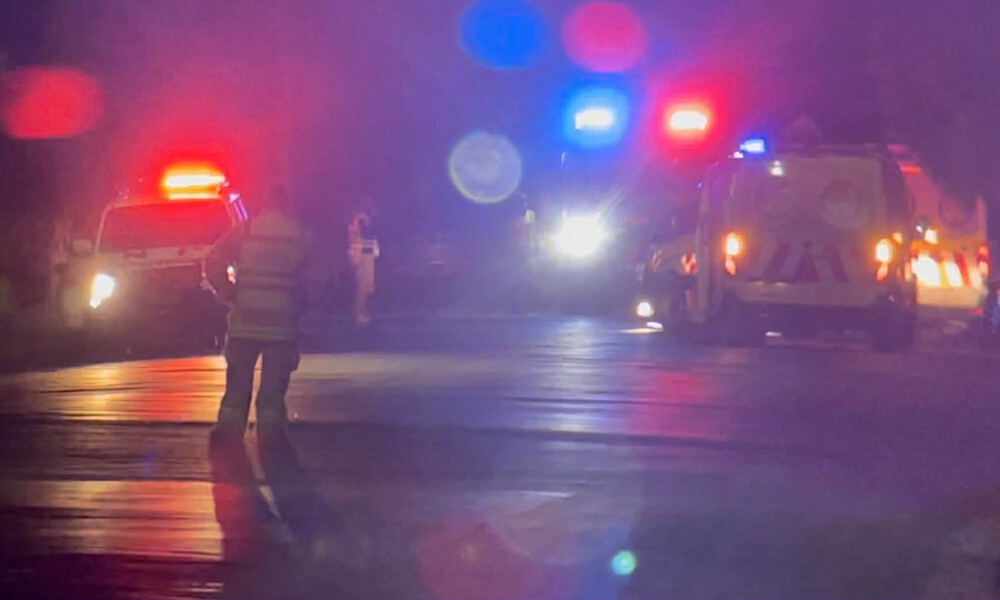
Emergency services on the scene of the Regent Street crash in October 2021 | Photo: © The Junee Bulletin
Speed remains the dominant factor in Junee’s serious crashes, contributing to 20 incidents in the latest analysis. Alcohol was a factor in nine crashes, while fatigue contributed to eight.
The pattern was mirrored elsewhere: speed was the leading contributor to crashes in both Coolamon and Bland, while fatigue emerged as the most common factor in Temora.
Alcohol was implicated in four crashes in Coolamon and in ten crashes each in Temora and Bland.
High-speed, straight roads and fine weather
Across all four shires, most crashes involved a single vehicle leaving a straight stretch of road in a 100 km/h zone and colliding with an object. More than 80 per cent occurred in fine weather.
Police say speeding, fatigue and drink driving remain ongoing concerns across the region.
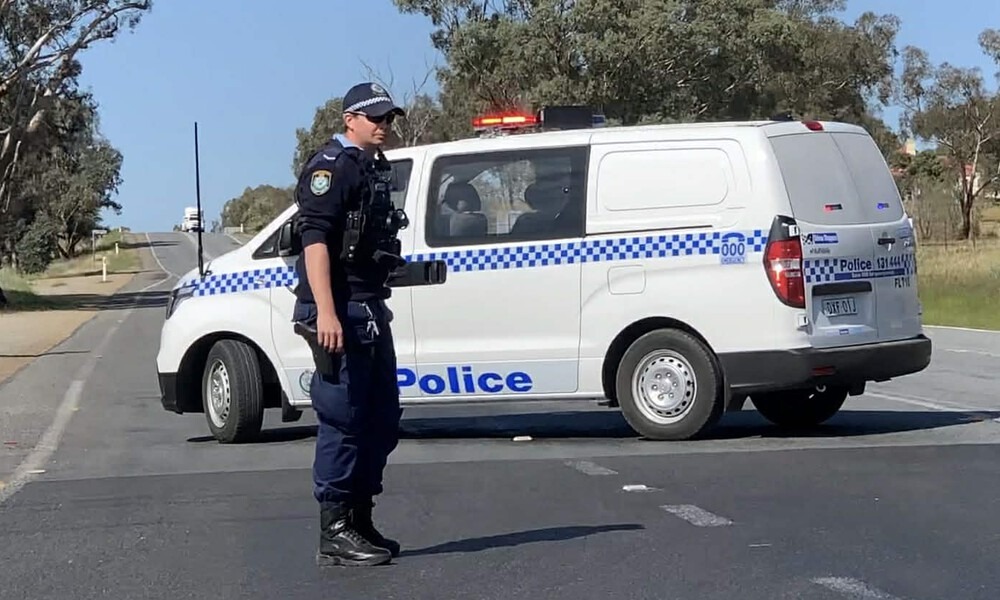
Police block Goldfields Way at Old Junee following a fatal accident on 28 September 2019 | Photo: © The Junee Bulletin
Goldfields Way, the Olympic Highway, the Newell Highway and Burley Griffin Way were again identified as high-risk corridors for serious collisions.
Around 70 per cent of Junee’s crashes occurred on classified roads, including the Olympic Highway and Goldfields Way.
The remaining 30 per cent were on regional and local roads, with ten crashes recorded in 50 km/h zones, including the one pictured below in October 2020.
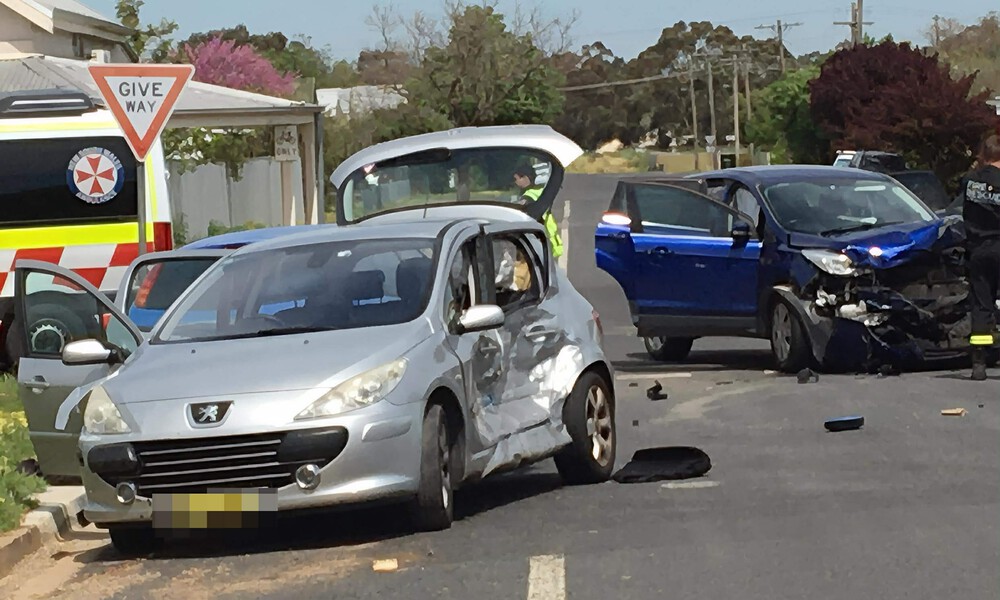
A serious T-bone collision in a 50km/h zone the corner of Regent and King streets in Junee on 4 October, 2020 | Photo: © The Junee Bulletin
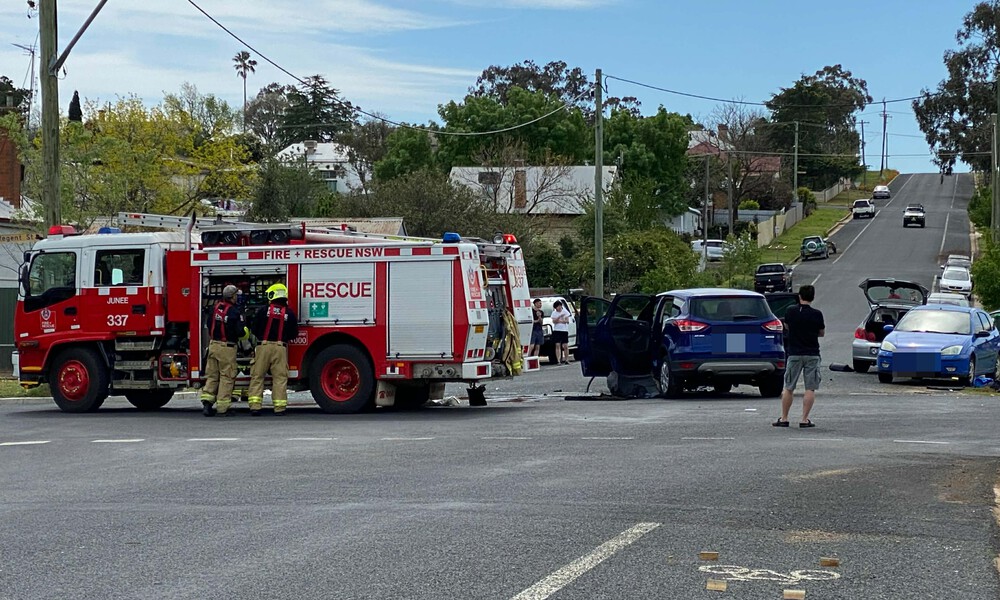
The scene of the Regent Street crash on 4 October, 2020 | Photo: © The Junee Bulletin
Elsewhere, most of Bland Shire’s crashes occurred on the Newell and Mid-Western Highways in 100–110 km/h zones, while eleven of Coolamon’s 33 crashes were recorded on the Newell Highway and Burley Griffin Way.
In Temora, 47 crashes occurred in 100 km/h zones, with a further 19 in 50 km/h areas.
When and how crashes occurred
The timing of crashes varied significantly between LGAs.
In Junee, just over half of all crashes occurred on weekends, and almost 75 per cent occurred during daylight hours.
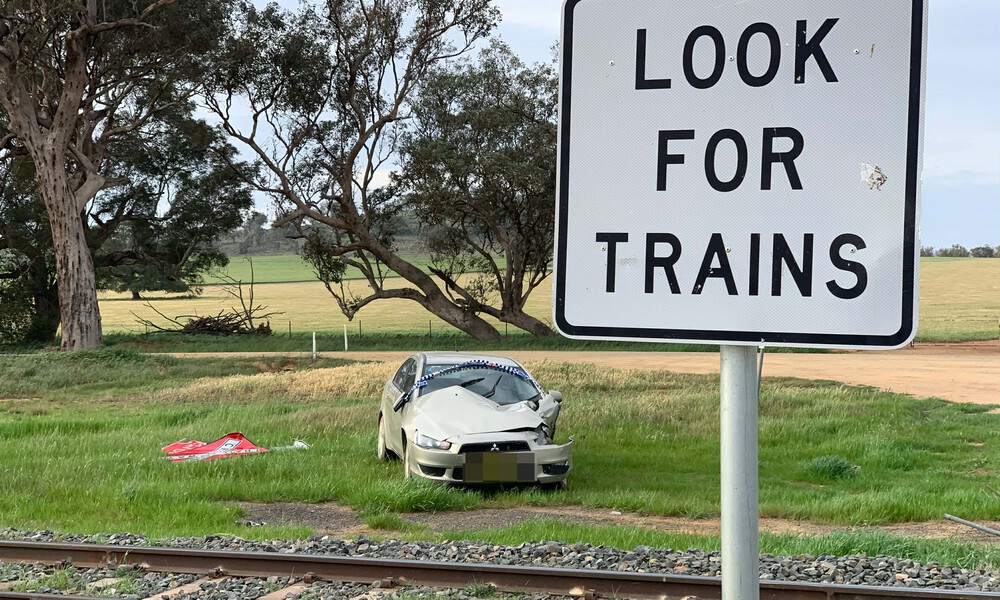
A car is pictured after colliding with a train at the Rockview level crossing between Old Junee and Marrar in September 2019 | Photo: © The Junee Bulletin
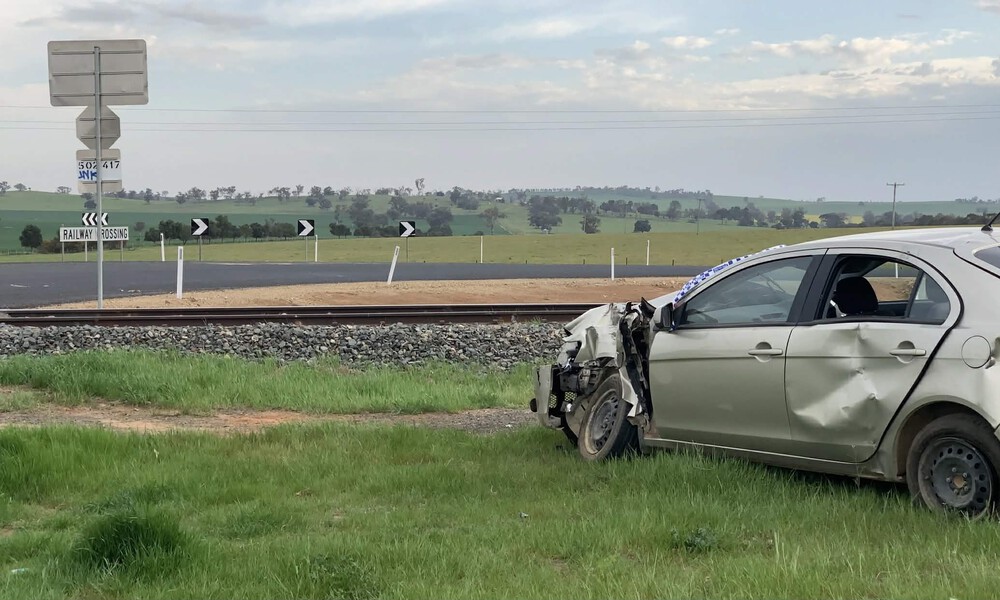
A car is pictured after colliding with a train at the Rockview level crossing between Old Junee and Marrar in September 2019 | Photo: © The Junee Bulletin
Coolamon presented almost the reverse pattern, with nearly half its crashes occurring at night and more than 57 per cent recorded on Wednesdays.
In Temora, nearly 70 per cent of crashes occurred on weekdays and 44 per cent took place at night.
While cars made up the majority of vehicles involved across all four shires, heavy vehicles featured prominently in the Bland Shire, where 18 of the 86 reported crashes involved trucks, compared with seven in Coolamon.
Light trucks were involved in 21 crashes in Temora, 13 in Junee and 13 in Bland, while motorcycles were involved in 13 crashes in Bland and seven in Junee.
What happens next
Junee Shire Council will now prepare a series of road safety projects and public campaigns to be rolled out between 2025 and 2029, in line with the new joint action plan.
These initiatives are expected to target the recurring themes identified in the data, including speed, driver behaviour, fatigue, alcohol use and the ongoing risks posed on major freight and commuter routes.











Woman charged over alleged fraud at Commercial Hotel

New graduate nurses on the frontline at Junee Correctional Centre

Woman killed after car collides with tree in Riverina crash