
Riverina
Surcharges scrapped, but shoppers warned sting may remain

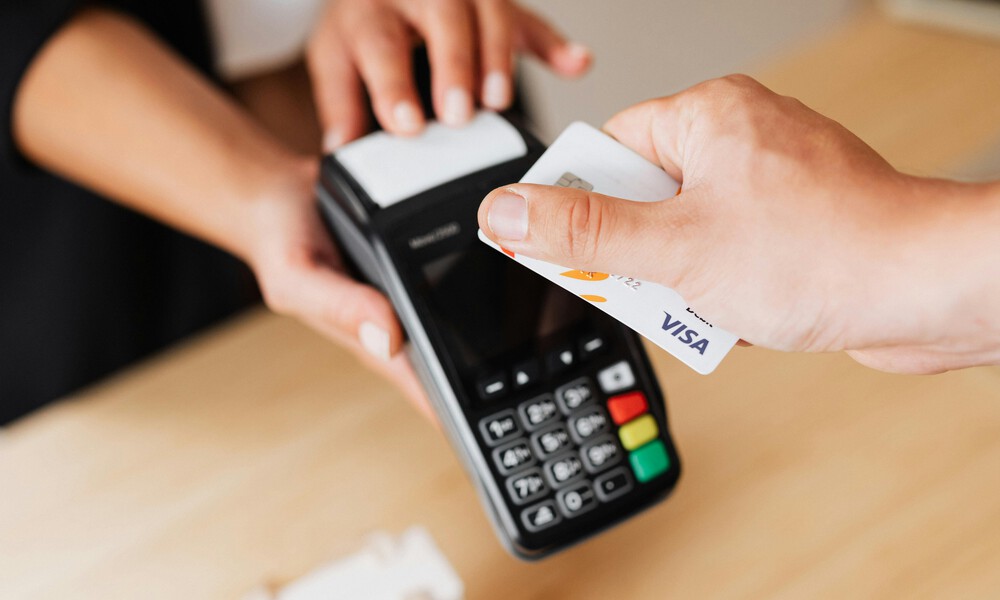
A MAJOR shake-up to the way Australians pay at the checkout is on the way, with card surcharges set to be scrapped by October — but small businesses are warning the cost will not simply disappear.
Under new Reserve Bank of Australia reforms announced Tuesday, businesses will no longer be allowed to slug customers with extra fees for paying by debit, credit or prepaid card on networks including eftpos, Mastercard and Visa.
The move is aimed at ending the often-frustrating surprise charges that have crept onto everything from a takeaway coffee to a pub meal, with the RBA estimating Australians currently pay about $1.6 billion a year in surcharges.
Treasurer Jim Chalmers says Australians “hate paying these charges”, while RBA governor Michele Bullock said surcharging had become confusing, poorly disclosed and harder for consumers to avoid.
But while the reforms are being sold as a win for shoppers, the reality for many businesses — especially those operating on thin margins — may be far more complicated.
The RBA itself expects that once surcharges are banned, some businesses will simply fold those payment costs into their overall prices instead.
In other words, the separate fee may disappear from the receipt, but the cost of a meal, coffee, haircut or drink could still edge higher.
The central bank has estimated prices could rise by a one-off 0.1 per cent as affected businesses adjust.
That is because card payments still cost money to process.
For many small operators, especially in hospitality and retail, merchant service fees and payment terminal costs are not minor irritants — they can quickly chew through a large slice of already-tight margins.
“The average margin on a cafe is about 3 to 3.5 per cent. If you put a merchant service fee of 1 to 1.2 per cent, that’s half their margin,” Co-founder of the Independent Payments Forum, Brad Kelly, told the ABC.
“So it might sound like nickels and dimes to everybody else, but if you put a merchant fee in your local cafe and they don’t surcharge, they’re giving away half their margin to the bank.”
That is where the pressure point lies.
If businesses are no longer able to separately recover the cost through a visible surcharge, many may have little choice but to quietly lift base prices across the board to help cover the expense.
That would mean even cash-paying customers could end up subsidising card transactions.
‘Cash is king’
For regional communities and small towns, where family-run cafes, pubs, takeaway shops and service providers often operate on tight returns, the reform could reignite a familiar message: cash is king.
While the surcharge ban may simplify the checkout and remove the sting of those last-second fees, it is also likely to sharpen the divide between customers who tap and those who pay in cash.
Cash payments do not attract the same processing costs, and for some businesses they may once again become the most valuable form of payment at the counter.
The RBA says the broader package will also reduce interchange fees — the fees banks and card issuers charge businesses — with total savings to businesses estimated at $910 million a year, alongside greater transparency around what eftpos, Mastercard and Visa charge.
Even so, industry figures have warned the reform is not a magic fix.
Critics argue that if the true cost of accepting cards remains in the system, banning visible surcharges does not remove the burden, it simply shifts where consumers feel it.
Rather than seeing a separate fee added at the terminal, shoppers may just see higher prices on menus, shelves and service lists.
Supporters say the change will create a cleaner, fairer and more transparent system, with the advertised price finally matching the amount charged.
But for many small businesses, the looming question is blunt: if they cannot pass the fee on directly, how else do they survive?
The changes are expected to take effect from October, setting up a major shift in the way Australians pay — and in how businesses price the cost of convenience.



Surcharges scrapped, but shoppers warned sting may remain

Junee servo lifts diesel 14c after fuel tax cut announcement

Where your money goes: The real cost of filling up