
Local
Where your money goes: The real cost of filling up

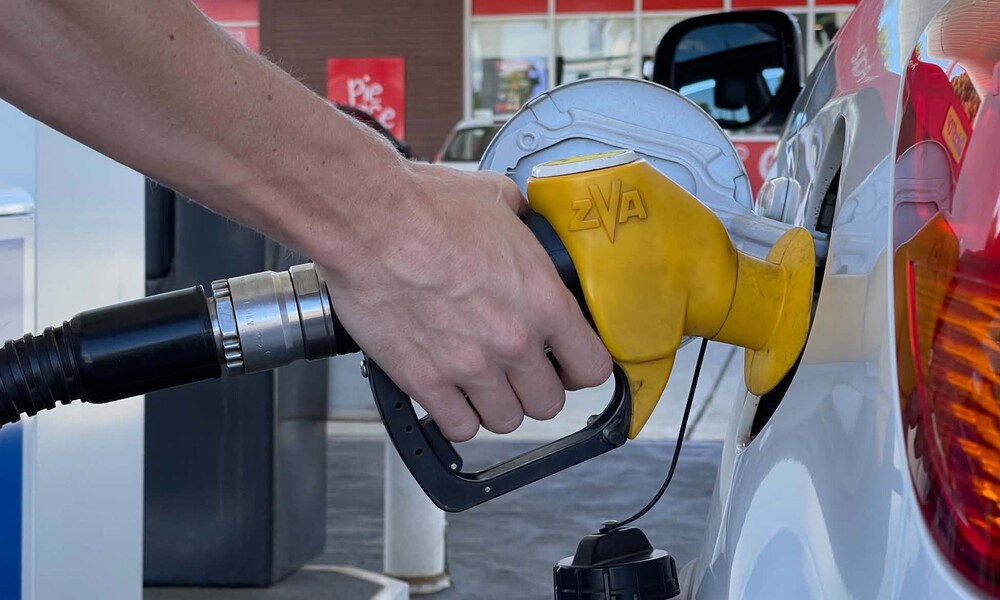
WHEN diesel prices push past $3 a litre, it is easy to assume service stations are cashing in. But the reality behind the bowser is far more complex, and far less lucrative than many might think.
With diesel in Junee sitting between 313.9 and 329.9 cents per litre, the price motorists pay is made up of several layers, most of which never reach the local service station.
That is why a jump at the bowser can trigger outrage, even though the slice retained by the local servo is often much smaller than motorists assume.
Profit vs perception
At first glance, those prices might suggest retailers are pocketing a significant margin. In reality, much of the cost is absorbed long before the fuel reaches the bowser.
Typically, around three-quarters of what motorists pay is tied to wholesale fuel costs, about a quarter goes to government taxes, and only a very small fraction — often just one to two per cent — remains as profit on the fuel itself.
The largest component is the underlying wholesale benchmark, known as the Terminal Gate Price (TGP), which reflects the bulk fuel cost and forms the biggest share of the pump price.
From there, retailers must cover the range of costs involved in getting fuel from the terminal to the forecourt and selling it, including freight, wages, electricity, rent, insurance and transaction fees.
READ MORE: Junee servo jacks diesel 14c after tax cut announcement
Fuel prices in Australia also include two federal taxes, including the fixed federal fuel excise (currently 52.6 cents per litre) and 10 per cent GST, both of which make up a substantial slice of the amount motorists pay.
By the time those layers are accounted for, the amount left at the pump is relatively small, with service stations typically pocketing only a few cents per litre in net profit on fuel itself.
Instead, fuel is often treated as a volume business, designed to bring customers onto the forecourt, with the real margins usually found inside the store through convenience items such as drinks, food and coffee.
Why prices don’t always move as expected
Another source of frustration for motorists is the lag between wholesale price movements and what is seen at the pump.
The Terminal Gate Price is a daily benchmark — not necessarily what a service station paid for the fuel in its tanks.
Fuel pricing works much like stock. What is in the tank today may have been purchased days earlier, while the price on the board often reflects the cost of replacing that fuel, not what it originally cost.
That is why pump prices do not always align neatly with wholesale figures at any given moment.
Retailers are also not required to immediately pass on savings, including the federal government’s upcoming 26.3c/L excise cut, and prices can move independently in the short term.
As a result, prices can rise or remain elevated even as broader cost pressures begin to ease.
The bottom line
For motorists, the pain at the pump is real.
But while service stations set the retail price, they are only one part of a much larger pricing chain — one that stretches from global oil markets to government policy and local operating costs.
Understanding that breakdown does not make filling up any cheaper, but it does explain why the number on the bowser is rarely as simple as it seems.



Surcharges scrapped, but shoppers warned sting may remain

Junee servo lifts diesel 14c after fuel tax cut announcement

Where your money goes: The real cost of filling up