
Riverina
Motorists warned fuel tax cut will take time to hit the bowser

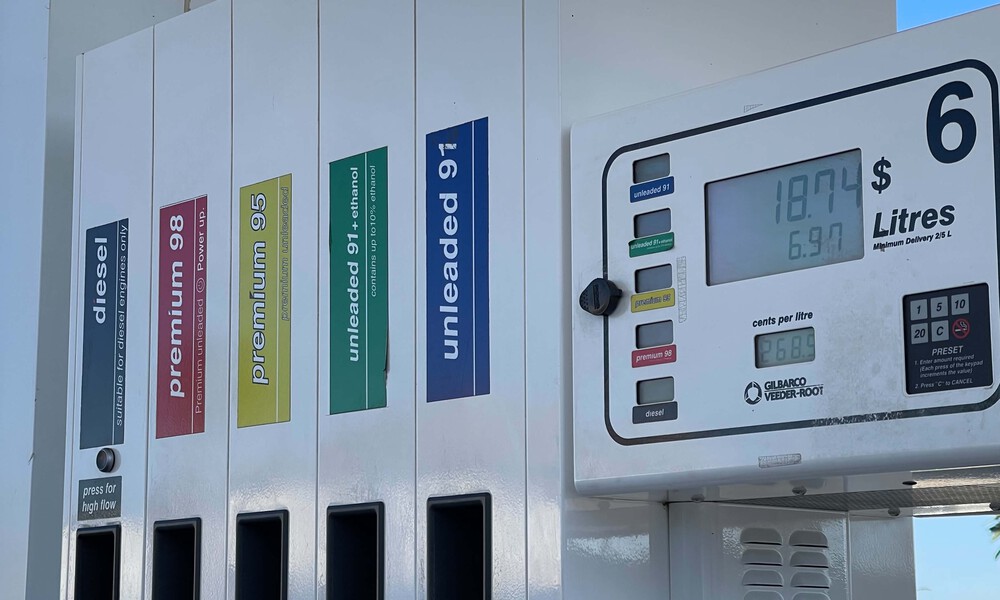
MOTORISTS hoping for an immediate drop in fuel prices following the federal government’s sweeping excise cut are being warned it could take up to two weeks for the relief to hit the bowser in some places.
The government’s $2.5 billion fuel tax relief package, which came into effect on Wednesday, is set to reduce petrol and diesel prices by 26.3 cents per litre.
On paper, the savings are significant. A full tank could be around $10.50 cheaper for 40 litres, or roughly $21 off an 80-litre fill.
But in reality, the full benefit may take days, or even weeks, to flow through to the pump.
READ MORE: Diesel drops below $3 in Wagga
Treasurer Jim Chalmers has urged Australians to temper expectations, warning that the timing of the cut does not instantly translate to lower prices at the bowser.
“The fuel in the tanks right now has been purchased at the higher rate, and so people should expect it would take somewhere between maybe one and two weeks for the full benefit of the excise to flow through,” he said.
“People shouldn’t rock up at five past midnight tonight and expect to see the full benefit passed on.”
Fuel pricing works on a rolling supply system, meaning what is being sold today may have been purchased days earlier, at the higher rate.
As a result, retailers often price fuel based on replacement cost, not what it originally cost to buy.
While prices are expected to ease over time, there is no requirement for retailers to pass on the full saving immediately.
That means price movements may vary between locations, with some sites adjusting quickly, while others take longer depending on stock levels, supply chains and pricing strategies.
READ MORE: Junee servo backflips on diesel price
For motorists, it means relief at the pump may arrive gradually, and not always evenly.
The delayed impact comes as Australia’s fuel system remains under strain.
More than 400 service stations across the eastern states were without diesel on Wednesday, including 247 in NSW, 82 in Victoria and 77 in Queensland.
Despite the shortages, the federal government insists overall supply remains stable, with demand rather than availability continuing to drive price pressure.
Australia is currently operating at level two of its four-stage national fuel response plan, with authorities working to avoid escalation to level four, where fuel rationing could be considered.
Prime Minister Anthony Albanese said the government’s priority remains maintaining supply.
“We have been concentrating on supply, supply, supply,” he said.
“People are doing it tough. There is uncertainty over the war and uncertainty over how it ends. This is causing understandable anxiety.”
Australia is currently estimated to hold around 39 days of petrol, 30 days of diesel and 30 days of jet fuel.
A recent analysis by the ABC suggested rationing could be triggered if reserves fell to around 10 days’ supply.
The government has already released six days’ worth of petrol and five days’ worth of diesel from emergency stockpiles to help stabilise supply in affected areas.



Wagga diesel drops below $3 as Junee gap widens

Motorists warned fuel tax cut will take time to hit the bowser

Junee servo backflips on diesel price as others hold steady