
Local
40°C heat, strong winds, dry lightning spark renewed fire threat

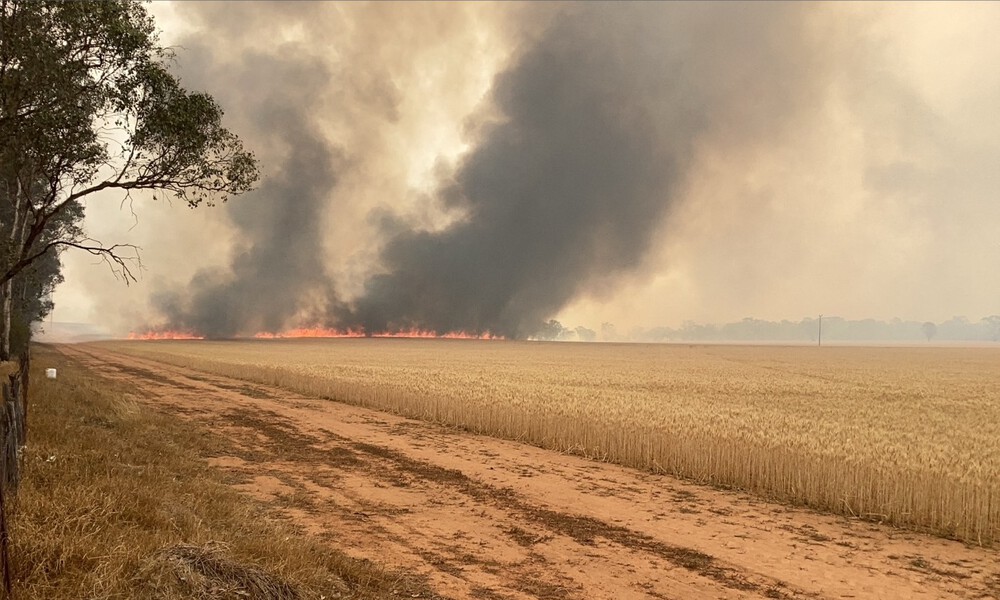
THE NSW Rural Fire Service is warning of a renewed and significant grass fire threat across the Riverina this weekend, with a burst of dangerous weather — including 40-degree heat, hot dry winds and possible dry lightning — set to return from Friday.
Conditions are expected to deteriorate as the day progresses, with daytime temperatures near 40°C mixing with strengthening hot, dry west-to-northwesterly winds.
As a result, an extreme fire danger rating is in place for the Eastern and Southern Riverina fire districts, including Junee, Wagga, Coolamon, Lockhart, Deniliquin and Albury.
A Total Fire Ban (TOBAN) is also in effect for these areas.
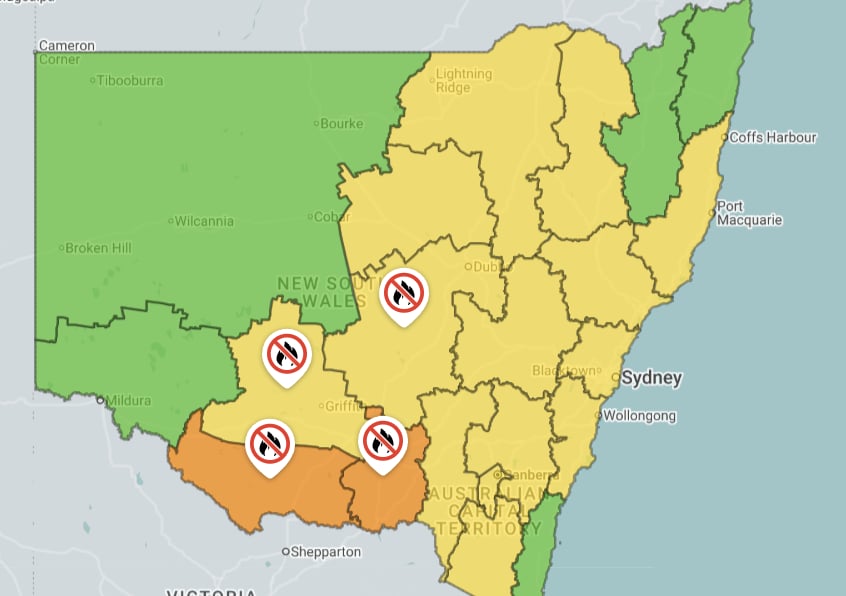
Fire Danger Ratings and TOBAN’s for Friday, December 5, 2025 | Image: NSW RFS
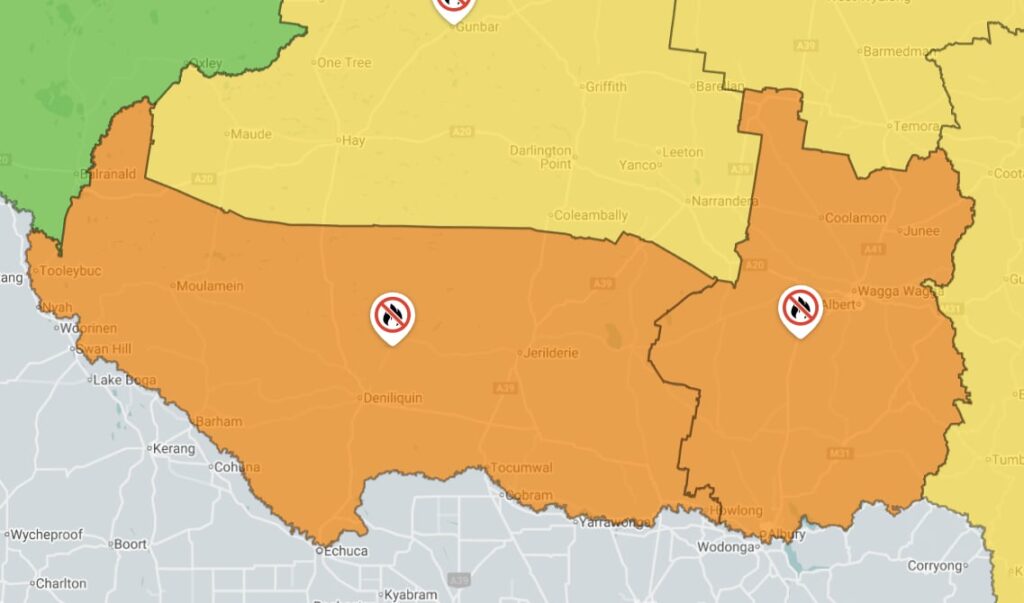
Fire Danger Ratings for Friday, December 5, 2025 | Image: NSW RFS
Under these conditions, the RFS warns fires can start easily, spready rapidly, be difficult to control and threaten lives, property, crops and stock.
The increased threat will then shift north on Saturday, with Temora and Bland shires forecast to reach extreme fire danger levels on December 6.
Adding to concerns, dry thunderstorms are also expected to develop on Saturday afternoon, as a late southerly change pushes through the region.
While the change will bring welcome relief from the heat, thunderstorms with little-to-no rainfall could ignite new fires across the dry landscape.
BORAMBOLA BLAZE CONTAINED
Before Friday’s extreme fire weather arrived, firefighters were already facing another significant challenge, after a fast-moving grass fire broke out at Borambola, east of Wagga, on Thursday afternoon.
The blaze ignited just after 4.30pm under high fire danger conditions and quickly prompted a Watch and Act alert, with strong winds driving the fire through nearly 800 hectares of farmland between McGeochs South Road and Mates Gully Road.
A large response was immediately mobilised, with dozens of firefighters on the ground supported by multiple water-bombing and fire-retardant aircraft.
The aerial attack played a crucial role in slowing the fire’s rapid spread and assisting ground crews to gain control.
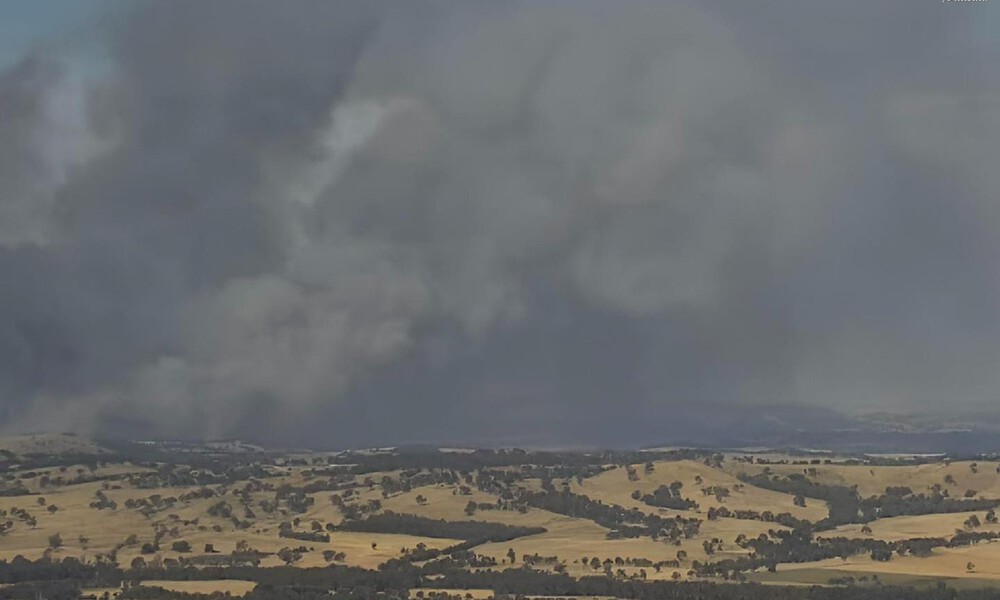
The Borambola fire as seen from a NSW RFS watchtower positioned at Mt Flakney | Photo: NSW RFS
By 6.30pm, the alert level was downgraded to Advice, with the NSW RFS confirming that conditions had eased across the fireground and the immediate threat to properties had reduced.
“Some trees in the area remain alight, and firefighters will work to fully extinguish them before tomorrow’s deteriorating conditions,” the NSW RFS said.
Crews were remained on scene into the night to strengthen containment lines ahead of Friday’s forecast extreme fire danger, urging local residents to continue monitoring conditions in case the situation changes.
CREWS HALT FIRE AT OAKLANDS
The Borambola blaze broke out just as RFS crews had gained the upper hand of a separate crop and grass fire near Oaklands, approximately 105km northwest of Albury.
The fire broke out around Maxwelton Road shortly before 2pm and burnt through more than 1,100 hectares as it spread rapidly towards the southeast.
Dozens of firefighters, assisted by multiple aircraft, worked through the afternoon to half the spread of the fire and bring the blaze under control.
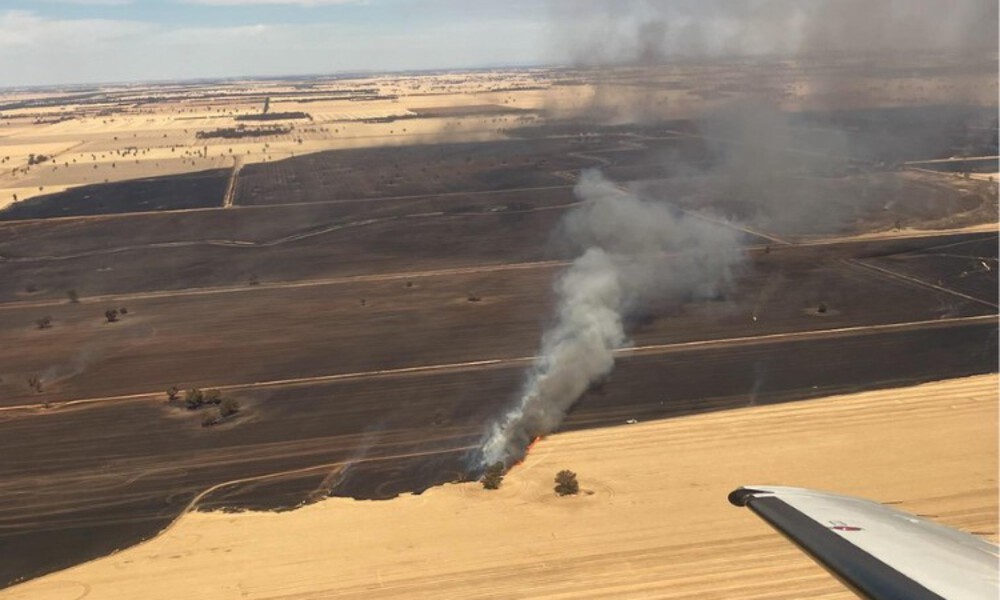
Aerial photo of the Oaklands fire on Thursday, December 4, 2025 | Photo: NSW RFS
A watch and act alert issued during the height of the fire was downgraded to advice shortly before 4pm.
“Those in the area of Oaklands should monitor conditions and stay up to date in case the situation changes,” the NSW RFS said.
Ground crews were expected to remain on the fireground overnight, working to strengthen containment lines ahead of worsening weather conditions.
PREPARE NOW
With high fuel loads across the Riverina now fully cured, authorities are urging landholders and residents to prepare.
Residents in areas of extreme fire danger are advised to action their bushfire survival plan, and monitor the fire and weather situation through their local radio station, the RFS website, and the Bureau of Meteorology.
FORECAST TEMPERATURES
Friday, December 5
- 41 Hay
- 40 Narrandera
- 40 Griffith
- 39 Wagga
- 39 Gundagai
- 39 Temora
- 39 Deniliquin
- 39 West Wyalong
- 39 Corowa
- 38 Junee
- 38 Albury
- 38 Tumut
- 37 Cootamundra
Saturday, December 6
- 39 West Wyalong
- 38 Temora
- 37 Griffith
- 37 Cootamundra
- 36 Junee
- 36 Wagga
- 36 Gundagai
- 36 Narrandera
- 35 Tumut
- 34 Hay
- 32 Albury
- 31 Deniliquin
- 31 Corowa
BUSIEST WEEK SINCE LAST SUMMER
The looming weather change arrives just days after many Riverina firefighters wrapped up their most active week since last summer.
Between November 23 and 29, dozens of NSW RFS and Fire and Rescue NSW crews were pushed to their limits, responding to a rapid succession of fast-moving fires, many fanned by fierce westerly winds and rapidly curing paddocks.
Warnings had already begun escalating in mid-November, when the RFS noted that high fuel loads had “significantly cured” across the region.
What followed was a week of flare-ups, property threats and near-misses.
The first incidents ignited on Sunday, November 23, when two separate grass fires at The Rock and Uranquinty broke out under strengthening winds.
A Watch and Act alert was issued for the most significant of the two — the Jacks Road Fire at Uranquinty — with residents told to monitor conditions and activate their bushfire plans.
Remarkable footage emerged from that fire, capturing a whirlwind forming on the fireground as volunteers worked to contain the blaze.
Fortunately, crews gained the upper hand before either fire caused serious damage.
EXTREME FIRE DANGER
Fire danger escalated sharply on Tuesday, November 25, when fierce, dry westerly winds pushed fire danger ratings to extreme across the Riverina, and to catastrophic levels in the Temora and Bland shires.
The RFS said the conditions were the worst the region had experienced since January 2020.
Despite several close calls, the day passed without any major losses.
At Forest Hill, 80km/h winds brought down powerlines, sparking a grass fire that advanced toward homes on Brunskill Avenue.
A rapid attack by local RFS crews prevented significant damage.
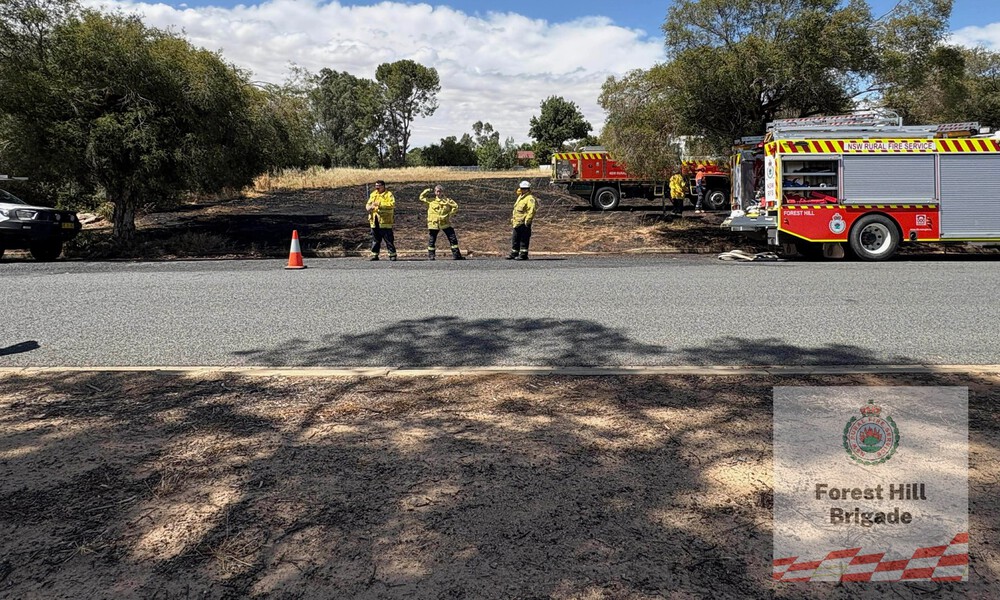
Brunskill Ave, Forest Hill | Photo: NSW RFS Forest Hill Brigade
EMERGENCY WARNING ISSUED
On Wednesday, November 26, conditions deteriorated again.
A fast-moving grass fire along Bullenbong Road, northwest of The Rock, triggered an Emergency Warning, with residents instructed to seek shelter as the blaze spread toward The Rock-Collingullie Road.
Correct land management practices, combined with a swift, coordinated response by RFS and NPWS crews, allowed firefighters to bring the blaze under control before it reached homes.
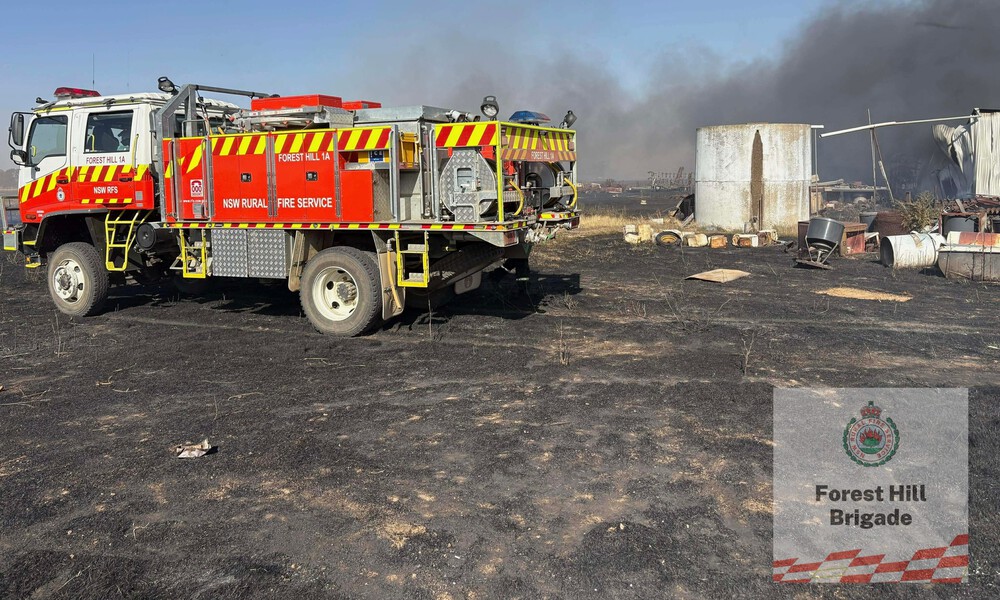
Bullenbong Road Fire – Wednesday, November 26, 2025 | Photo: NSW RFS Forest Hill Brigade
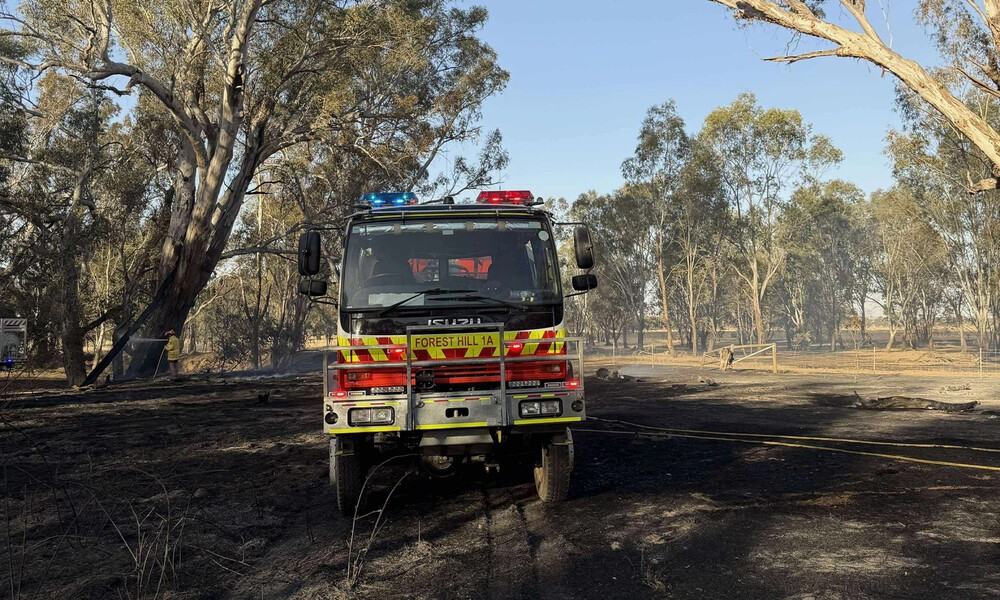
Bullenbong Road Fire – Wednesday, November 26, 2025 | Photo: NSW RFS Forest Hill Brigade
The Rock Nature Reserve, first ignited on November 23, also flared up that afternoon under fresh winds, drawing additional resources.
Not long after, crews were dispatched to the Hume Highway at Tarcutta, where a B-double truck fire had spread into surrounding grassland.
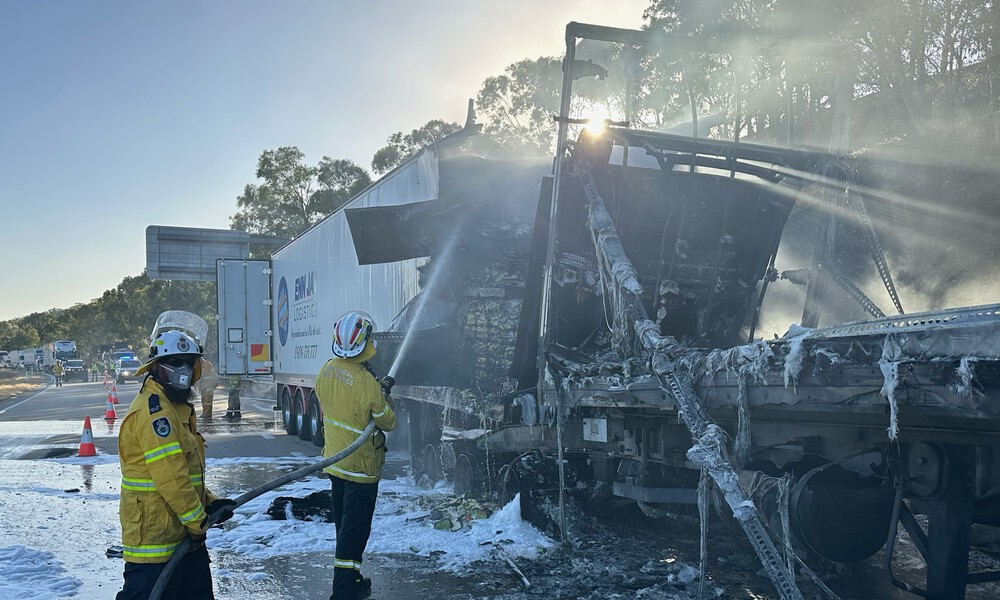
Photo: NSW RFS Forest Hill Brigade
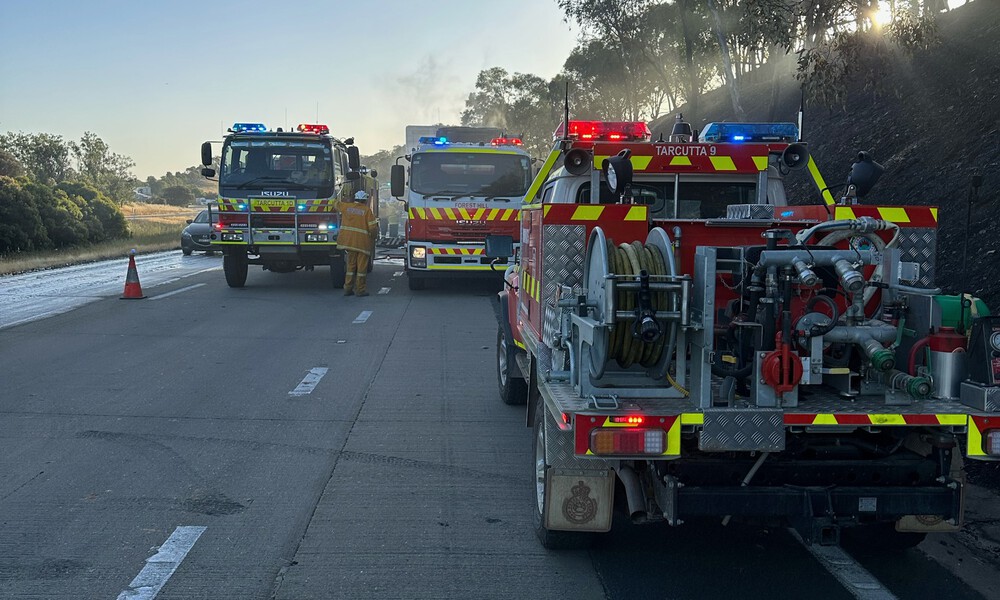
Photo: NSW RFS Forest Hill Brigade
By November 27, the NSW RFS Riverina Zone had responded to more than 30 bush and grass fires in 14 days, burning 615 hectares.
Eleven of those incidents were linked to harvesting operations or other farm activities.
In a statement, the Riverina Zone praised its volunteers and NPWS colleagues for their efforts, particularly during the Bullenbong Road fire.
“The fire had a very real potential to threaten a much wider area, including the communities of The Rock and Uranquinty,” the NSW RFS Riverina Zone said.
“Operating in extremely dangerous conditions, our crews achieved what at times felt almost impossible, successful containment without injury. Their professionalism, teamwork and courage delivered an outstanding result for the community.”
TEMORA GRASS FIRE
The most significant blaze of the week erupted on Friday, November 28, when a fast-moving grass fire at Mimosa, southwest of Temora, tore through more than 2,000 hectares of farmland.
Sparked during harvest operations, the fire surged east toward Goldfields Way, prompting a major deployment of resources — around 60 RFS and FRNSW trucks, numerous private firefighting units, fixed-wing aircraft, a helicopter and the RFS’ large air tanker from Sydney.
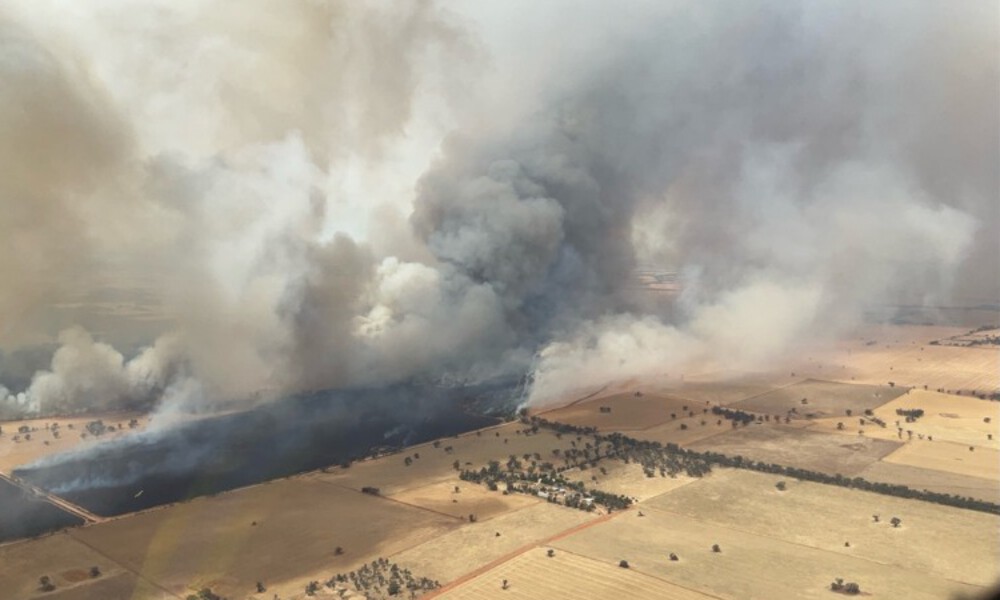
Photo: NSW RFS
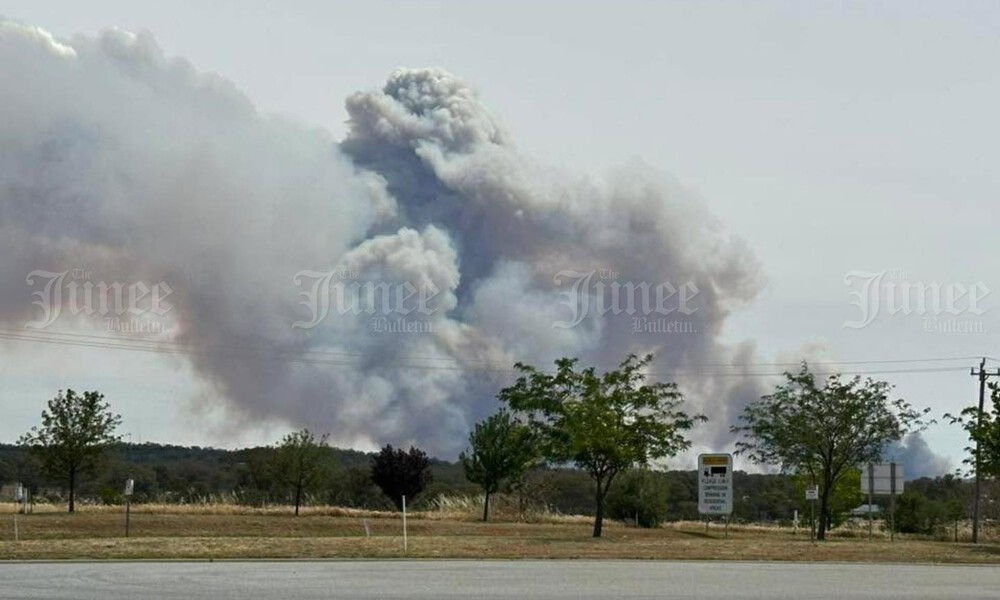
Photo: Supplied
After three hours of intense firefighting, crews halted the blaze just short of Goldfields Way.
Its towering smoke plume was visible from more than 50 kilometres away.
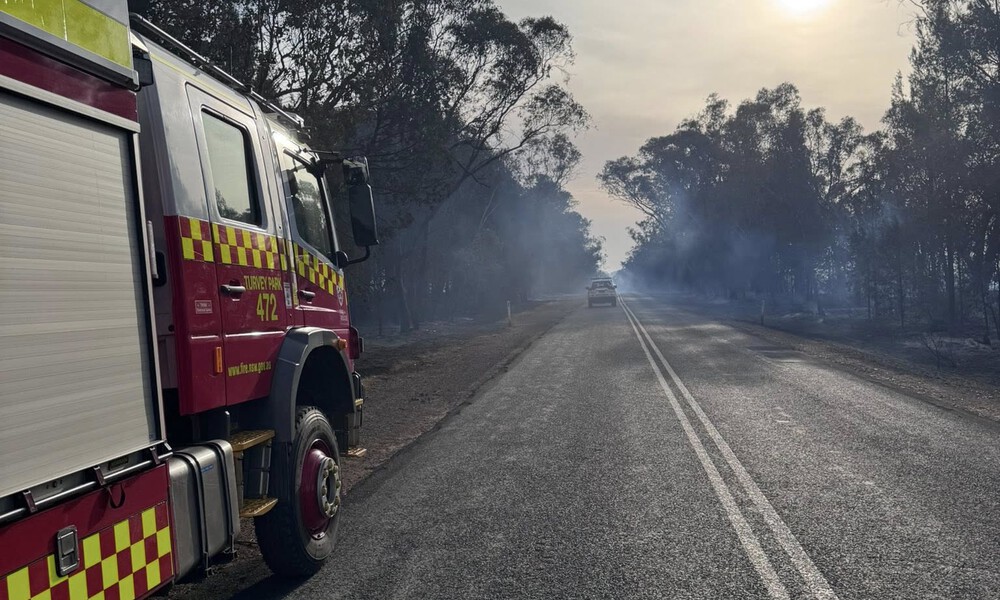
Firefighters remained on scene over the weekend to strengthen containment lines and monitor hotspots.
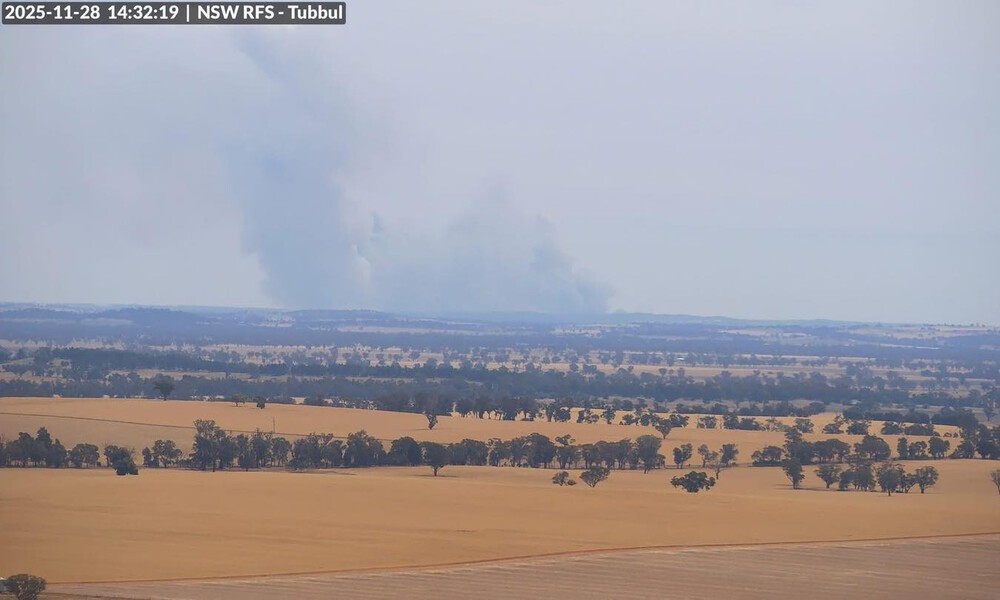
Photo: NSW RFS
GREGADOO RUBBISH FIRE
But the work didn’t stop there.
Late on Friday night, crews were called to a large rubbish fire at the Gregadoo Waste Management Centre in Wagga.
Thick smoke drifted across nearby suburbs — including Springvale, Lake Albert and Kooringal — prompting warnings for residents to close doors, windows and vents.
The fire smouldered well into the night, tying up already stretched resources.
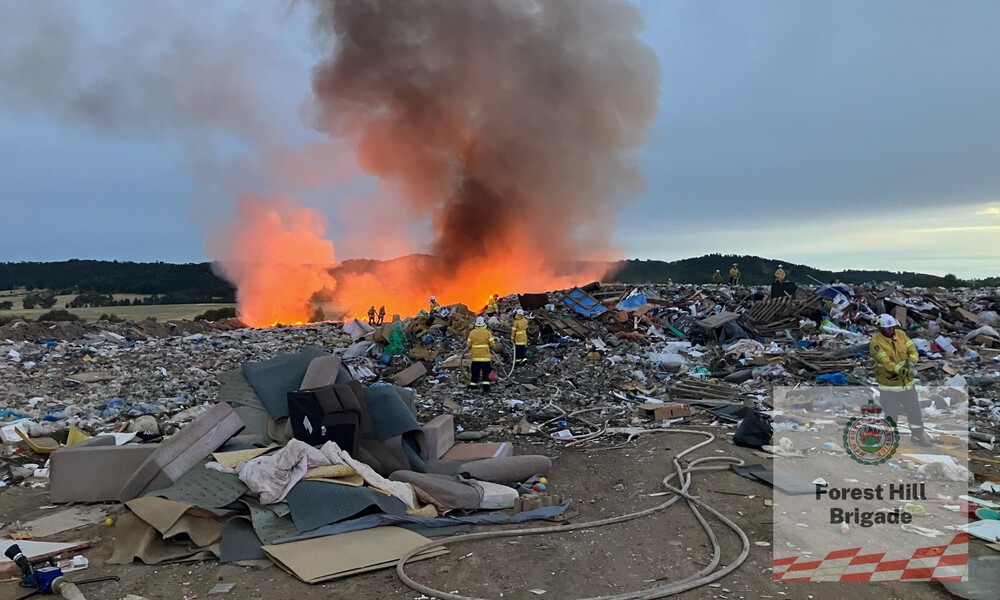
Photo: NSW RFS Forest Hill Brigade
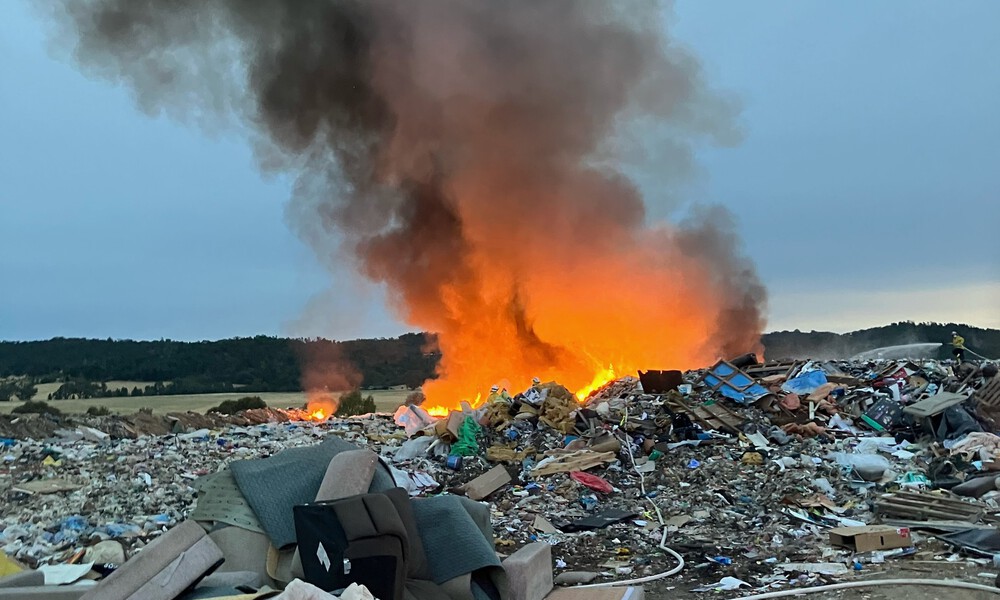
Photo: NSW RFS Forest Hill Brigade
HAYSTACK BLAZE
The following afternoon, Saturday, November 29, firefighters were again mobilised, this time to a haystack blaze on a property off The Gap Road, northwest of Wagga.
A dangerous mix of moisture, internal heat build-up and strong winds caused the haystack to self-combust, destroying a semi-trailer and more than 220 hay bales, with only 10 bales saved.
Fuelled by hot, dry and gusty winds, the fire burned fiercely and sent smoke drifting over parts of Wagga well into the night.
Multiple crews remained on scene to contain the blaze and prevent further spread.
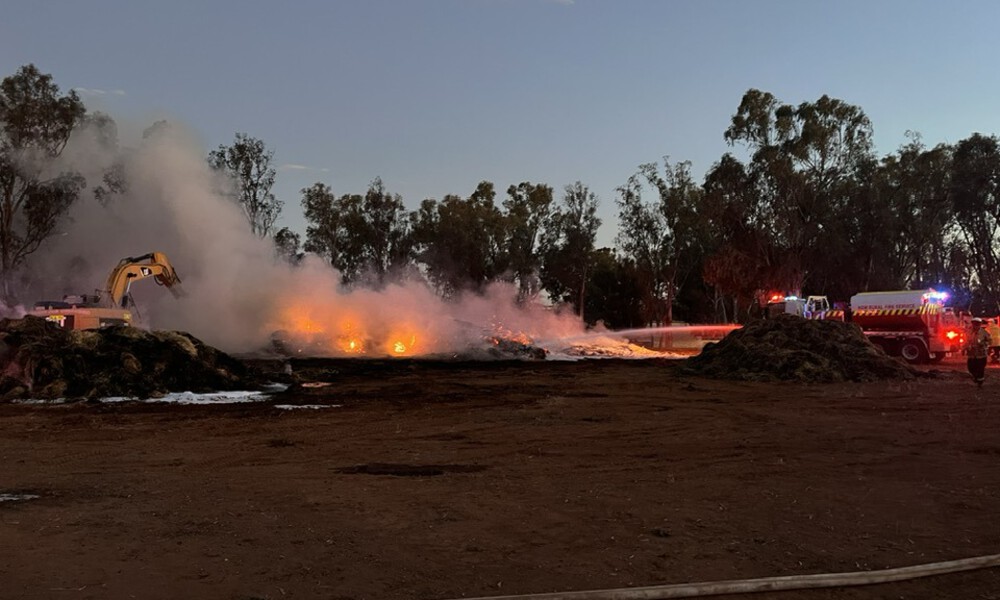
Photo: NSW RFS
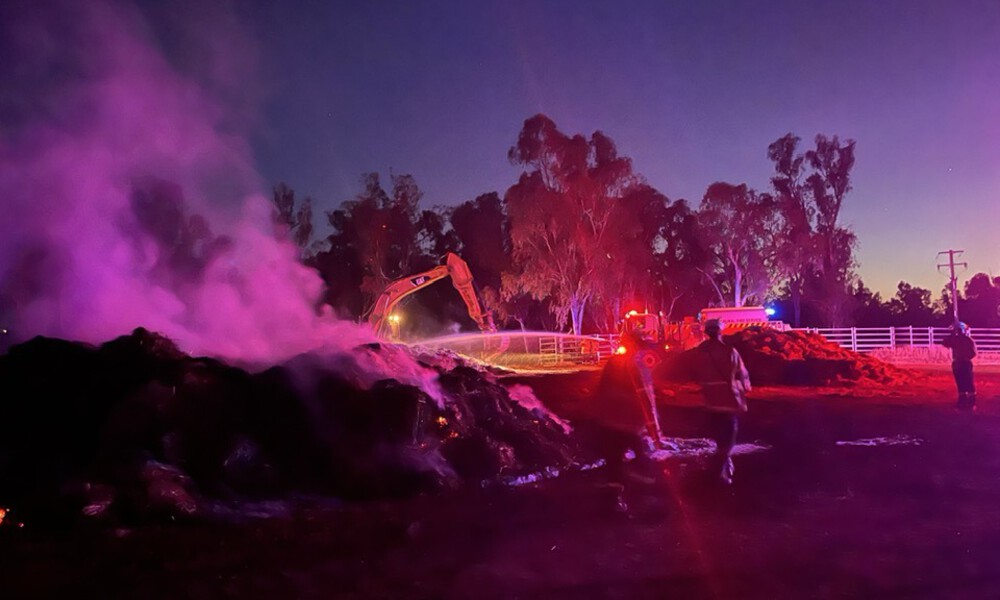
Photo: NSW RFS
REDUCE THE RISK
Haystack fires can ignite with little warning.
Moisture trapped inside bales can create heat pockets that escalate rapidly, and even small sparks from machinery or cigarettes can trigger ignition.
Authorities remind landholders to:
- Ensure hay is fully dried and cured before baling.
- Insert a metal rod into the centre of the stack — if it comes out hot, treat it as a warning sign.
- Store hay in multiple, smaller stacks and keep all machinery well away.
- Maintain mown firebreaks around storage areas — a simple step that can significantly slow or stop fire spread.
Reflecting on the intense run of incidents, the NSW RFS Forest Hill Brigade described the period as the “busiest” week Riverina crews had experienced “for a while.”

It’s important that you and your family know what you’ll do if threatened by fire.
- For information on how to create a bushfire survival plan, click here.
- To stay up to date with the latest fire information, download and monitor the Hazards Near Me app on your smartphone, or visit the RFS website.
- To check the Fire Danger Rating for your area, click here.
- For the latest weather update and warnings, visit the Bureau of Meteorology’s website.
- For up to date information on road closures, visit Live Traffic NSW at livetraffic.com.au.
- For local road closures, check with your local council.
REMEMBER: Report all unattended fires to Triple Zero (000) immediately.










Wind in their hair: Cycling Without Age returns to Junee

Sydney murder suspects arrested at Junee prison


Pingback: Crews contain Borambola blaze ahead of extreme fire weather