
Local
Protecting pets in extreme heat: What every owner needs to know

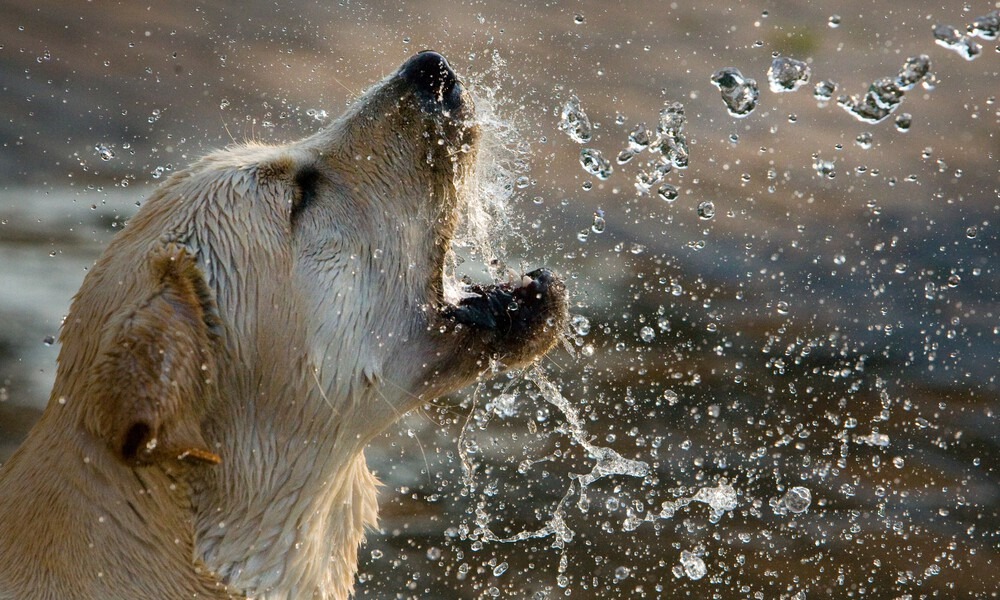
EXPOSURE to prolonged periods of extreme heat poses a serious and sometimes fatal risk to pets, livestock and native wildlife.
Veterinarians and animal welfare organisations warn heat stress and heatstroke can develop rapidly and without warning, particularly during heatwaves, and prevention is critical.
“If you’re feeling hot, chances are your pet is too,” animal welfare experts say.
WHY EXTREME HEAT IS SO DANGEROUS FOR ANIMALS
Unlike humans, many animals have limited ability to cool themselves.
Dogs primarily rely on panting, while cats, birds and small mammals have even fewer mechanisms to regulate body temperature.
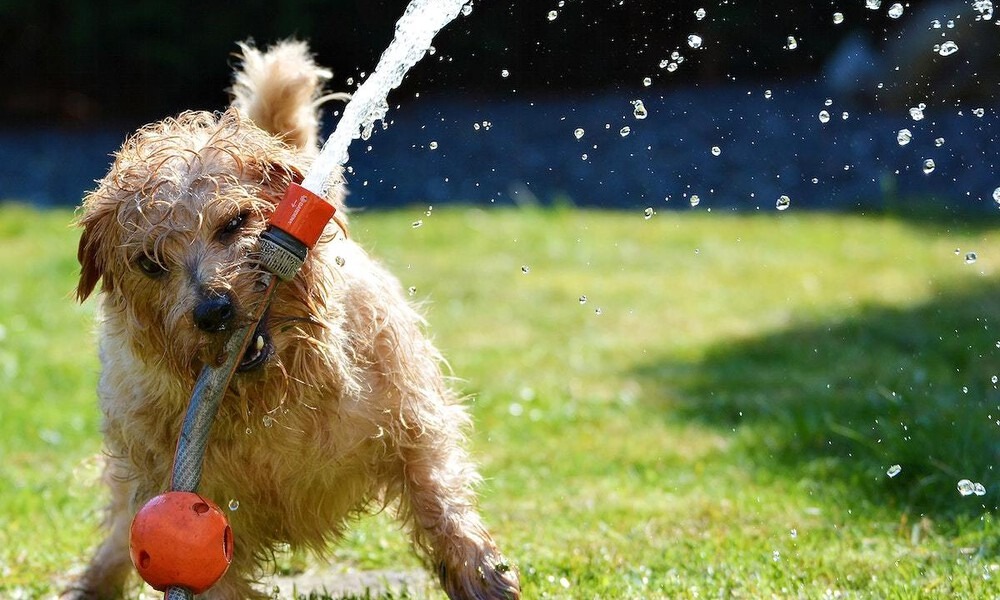
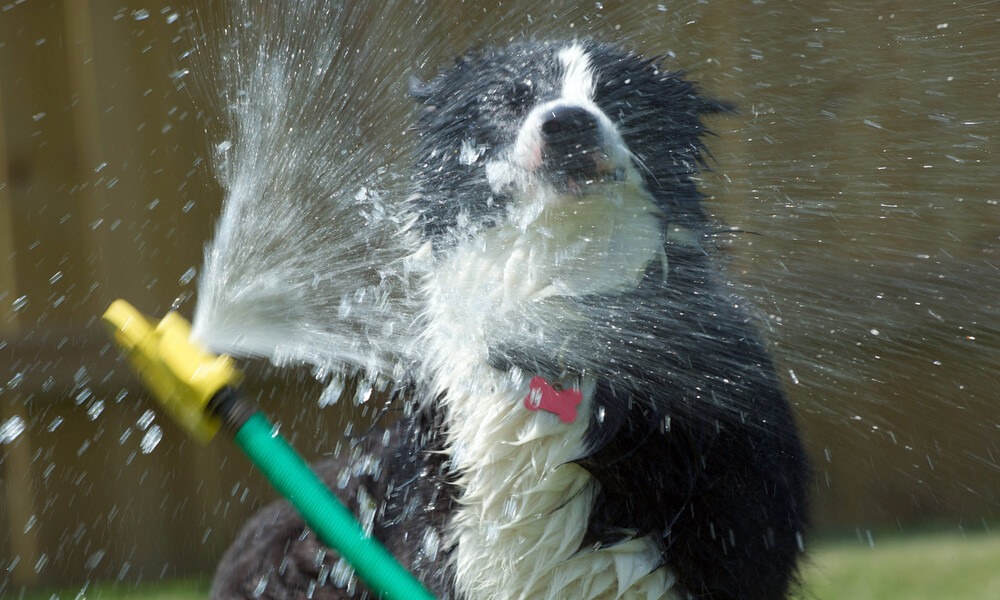
Dog playing with water hose. Free public domain CC0 photo.
When heat builds faster than the body can cool, heatstroke can occur.
Heatstroke is a medical emergency. It occurs when an animal’s internal body temperature rises to life-threatening levels and the body’s cooling systems fail.
Without immediate treatment, organ failure, collapse and death can occur in a short period of time.
RSPCA NSW warns that once heatstroke develops, mortality rates can be high — which is why early recognition and prevention are essential.
WHICH PETS ARE MOST AT RISK?
While any animal can suffer heat stress in the right conditions, some are particularly vulnerable:
- Small pets such as rabbits, guinea pigs, rats, mice and ferrets
- Birds, especially those in aviaries without misting or ventilation
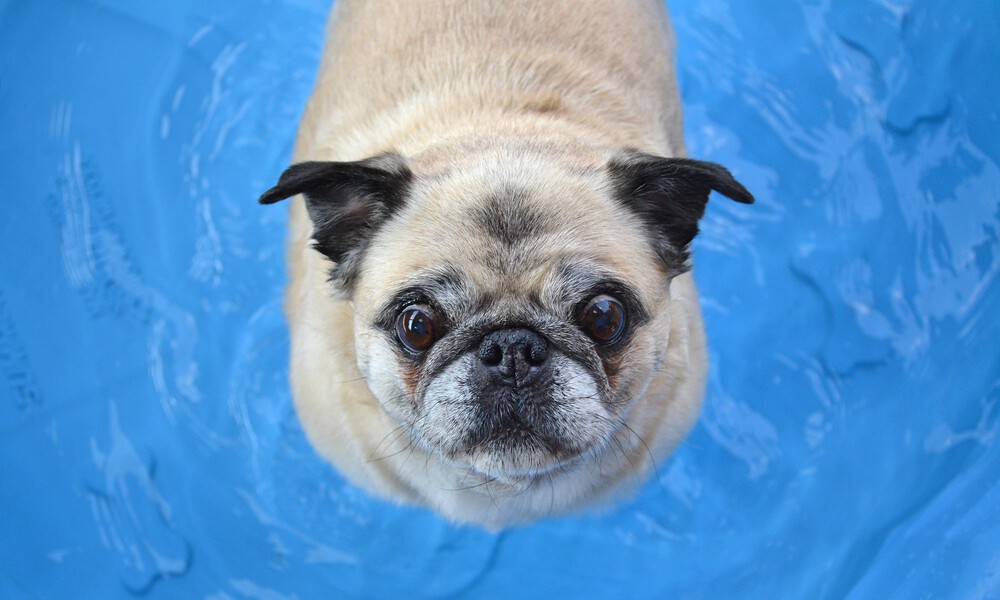
- Short-nosed (brachycephalic) dog breeds, including pugs, French and English bulldogs
- Flat-faced cats, such as Persians
- Elderly, overweight or very young animals
- Pets with heart, respiratory or neurological conditions
- Animals confined to poorly ventilated enclosures
- Any animal left in a vehicle, even briefly
Animal Care Australia warns that pets left in cars can suffer heat stress and death within minutes, even if windows are partially open.
GENERAL STEPS TO KEEP PETS COOL
Animal welfare organisations urge owners to plan ahead during hot weather:
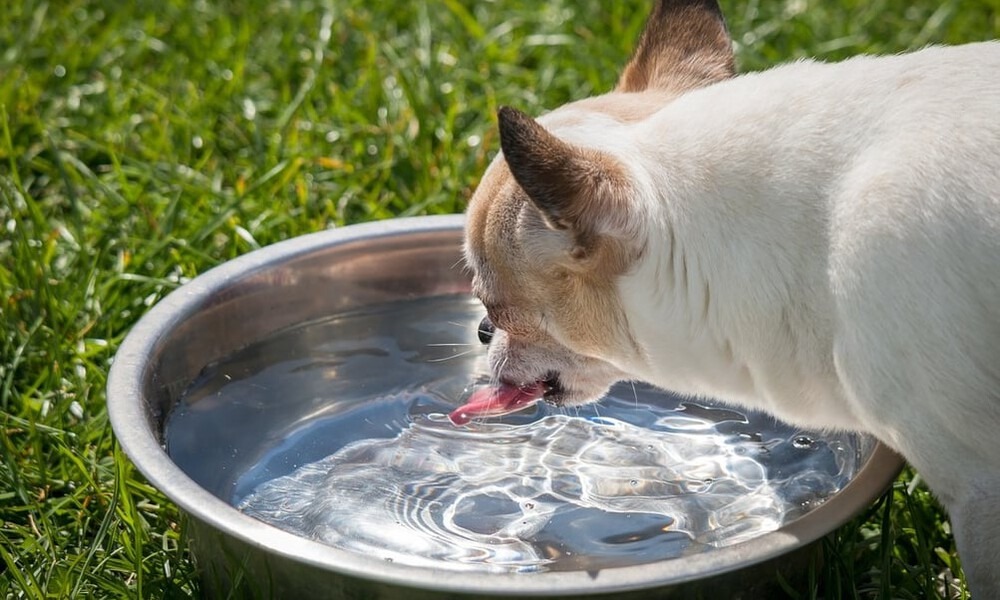
- Ensure pets have constant access to shade and fresh, cool water
- Use multiple water bowls in shaded areas in case one is tipped over
- Bring pets indoors during extreme heat where possible
- Never leave animals in vehicles, yards without shade, or poorly ventilated spaces
- Monitor pets closely during heatwaves and seek veterinary advice immediately if concerned
SPECIES-SPECIFIC CARE
Dogs
Heat exhaustion in dogs can be fatal but is often preventable. Walk dogs only in the early morning or late evening, as hot ground can severely burn paw pads. Extra care is required for short-nosed breeds, overweight dogs and those with breathing or joint issues.
Cats
Panting in cats is a serious warning sign. If it occurs, wrap the cat in a cool, damp towel, increase airflow with a fan and contact a veterinarian. Do not use ice-cold water, as this can worsen the condition.
Birds
Indoor birds should be kept in the coolest room of the house, away from direct airflow from fans or air-conditioners. Aviary birds benefit from fine misting sprays, which should continue until temperatures ease.
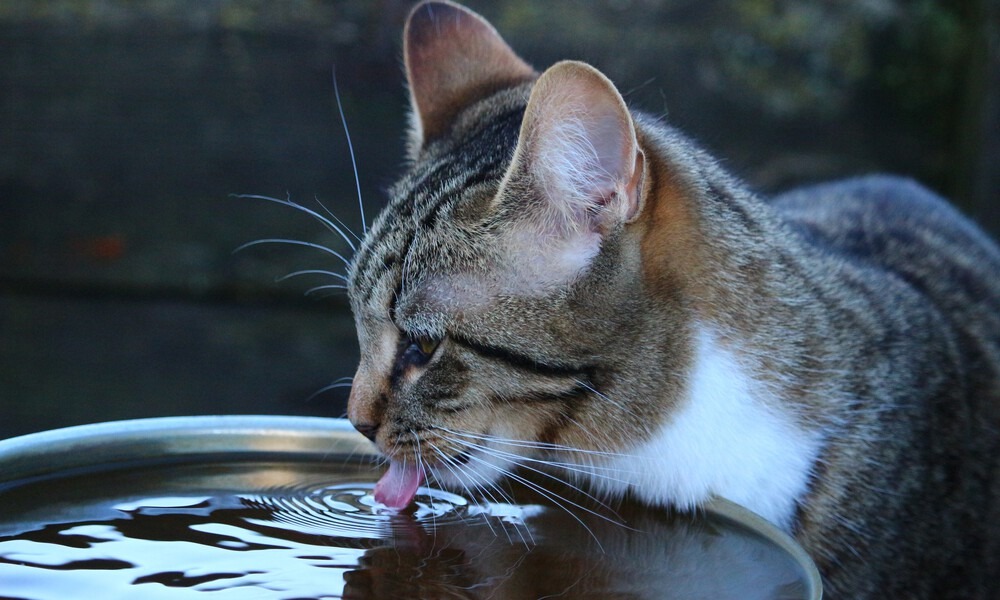
Provide shallow water dishes for bathing.
Small mammals
Rabbits, guinea pigs, rats and mice cope poorly with heat. Heat stress in small mammals can begin above 24°C, with heatstroke possible above 30°C.
They should be kept indoors during extreme temperatures with good air circulation. Frozen water bottles wrapped in cloths, damp towels and cool surfaces can help.
Never place rabbits in cold water or directly in front of fans or air-conditioners, as sudden temperature changes can cause shock.
Reptiles
On extreme heat days, turn off heating and lights in enclosures and ensure adequate airflow. Provide frozen water bottles or shallow water dishes so reptiles can self-regulate body temperature.
Horses and livestock
Horses tolerate cold better than heat. Ensure constant access to shade and water. Hosing can help cool overheated animals, and scraping is not necessary. Signs of heat stress include excessive panting, lethargy, unsteadiness and refusal to lie down.
RECOGNISING THE WARNING SIGNS OF HEATSTROKE
Early signs of heat stress can escalate quickly. Watch for:
- Rapid or laboured breathing or panting
- Excessive drooling or salivation
- Weakness, lethargy or confusion
- Vomiting or diarrhoea
- Bright red, pale or grey gums
- Shaking, seizures or collapse
If any of these signs are present, move the animal to a cool area immediately and contact a veterinarian.

FIRST AID: WHAT TO DO IN AN EMERGENCY
If heatstroke is suspected:
- Move the animal to a cool, shaded area
- Apply cool (not ice-cold) water, focusing on the belly, groin and paws
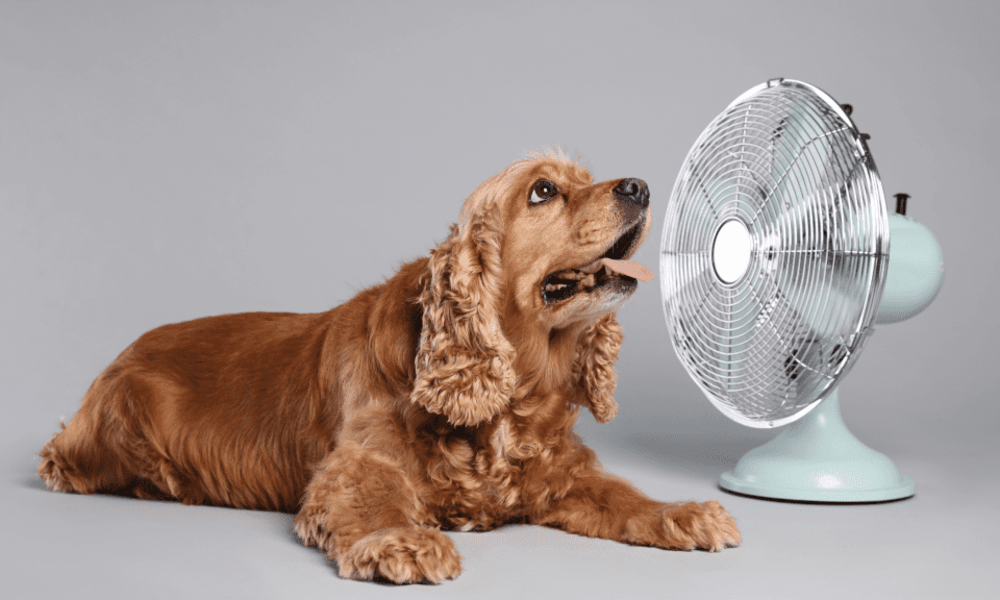
- Increase airflow using fans or air-conditioning
- Offer small sips of water, but do not force drinking
- Seek urgent veterinary care
HELPING NATIVE WILDLIFE
During heatwaves, residents can also help wildlife by:
- Leaving shallow water dishes and bird baths in shaded areas
- Using pebbles in shallow saucers for bees and small reptiles
- Covering swimming pools to prevent animals drowning
- Keeping pets away from wildlife water stations
- Providing fruit for flying foxes in safe, shaded locations away from cats
WHERE TO FIND MORE INFORMATION
For more detailed, species-specific guidance, visit:








Woman charged over alleged fraud at Commercial Hotel

New graduate nurses on the frontline at Junee Correctional Centre

Woman killed after car collides with tree in Riverina crash