
Local
Inland Rail route slashed as costs blow out to $45bn

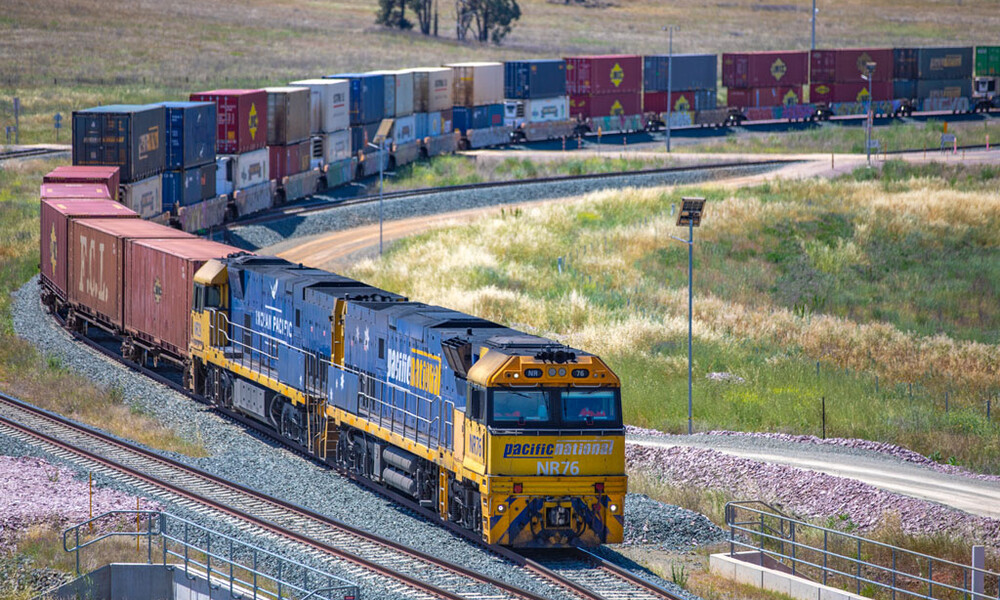
THE federal government has detonated a multi-billion-dollar bombshell over one of Australia’s biggest infrastructure projects, pulling the pin on a large section of Inland Rail to rein in soaring costs.
The Australian revealed late Tuesday the Albanese Government was abandoning the project’s long-promised link to Brisbane and scrapping the northern section of the 1,600-kilometre freight corridor to prioritise the Melbourne-to-Parkes stretch, marking one of the most significant infrastructure policy reversals in recent years.
The project’s cost has since blown out to more than four times the estimate made by the Turnbull government almost a decade ago, with the increase attributed to a litany of factors including inflation, underestimated risk, design changes, land acquisition and planning issues.
Originally slated for completion by 2027, the project has been plagued by years of delays, political infighting and planning failures, with the latest estimates suggesting the full build would now exceed $45 billion and not be completed until at least 2036.
Despite more than a decade of work, only 27 per cent of the corridor, or about 436 kilometres, has been completed, including the section from Stockinbingal in the Riverina to Narromine via Parkes.
Construction will continue on the southern section between Stockinbingal and Melbourne, with that stretch still on track to be completed by the end of 2027, enabling double-stacked freight trains to run between Melbourne and Perth via Parkes.
READ MORE: Junee still on track for double-stacked trains
The route north of Narromine through to Brisbane, however, will now be shelved indefinitely, with the Albanese Government reportedly unwilling to invest beyond the $14.5 billion Canberra has already committed to the project.
Instead, billions in funding are expected to be redirected toward improving existing freight networks, including track upgrades and signalling improvements.
Infrastructure and Transport Minister Catherine King announced the changes, saying the diverted funds would help move more freight by rail and protect Australia’s rail network for “decades to come”.
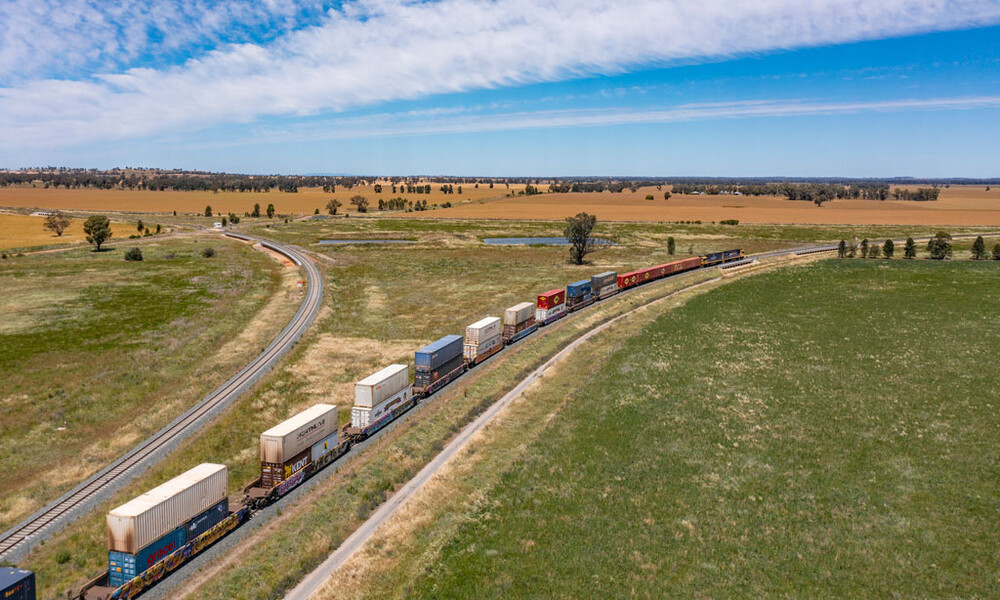
Image: File/Inland Rail
‘Pulled up the tracks half-way’
Reaction to the news has been swift and brutal, with senior regional figures demanding clarity ahead of next week’s federal budget.
Federal Member for Riverina Michael McCormack slammed the move, warning it would gut regional economies and cost jobs across inland Australia.
“The Inland Rail is nation-building infrastructure,” Mr McCormack said.
“The vision was there for all to see, but apparently this Labor Government lacks the foresight to deliver anything in the infrastructure space.”
He said terminating the line at Parkes, rather than continuing north into Queensland, would effectively abandon communities that had banked on the project’s full delivery.
“This will come at the cost of regional jobs. Regional economies will suffer further from this neglectful decision,” he said.
Shadow Infrastructure Minister Bridget McKenzie echoed the criticism, claiming the decision would undermine confidence in major national projects.
“History will record that this Labor Government pulled up the tracks half-way without any warning,” Senator McKenzie said.
The future of Inland Rail’s Queensland section has been under a cloud since 2024, with Prime Minister Anthony Albanese repeatedly stopping short of giving a firm commitment that the line would ever be completed north to Brisbane.
At the same time, the federal government has sought to place responsibility for the project’s cost and planning problems on Barnaby Joyce, who oversaw key stages of Inland Rail as infrastructure minister and Nationals leader.
Mr Joyce, now a One Nation MP, hit out at the development on Tuesday night, telling Sky News scrapping the northern link to Brisbane would undermine the original purpose of Inland Rail and leave regional Australia short-changed.
Mayor calls for transparency
The news has also triggered frustration at a local government level, with Junee mayor Bob Callow questioning whether Inland Rail was ever truly going to reach Brisbane.
“It has always been the issue,” Cr Callow said in response to The Junee Bulletin’s story.
“Will it actually make it to Brisbane as it was always touted? And now they are trying to resurrect the very fast train between the two cities. I can’t believe it.
READ MORE: Junee still on track for double-stacked trains
“There has to be some transparency here, someone needs to tell the truth for a change.
“I don’t care which side of politics delivers, just stop jerking us all about, please.”
The comments reflect growing regional frustration over years of uncertainty, disruption and shifting timelines surrounding the project, particularly in communities directly affected by Inland Rail construction and planning.
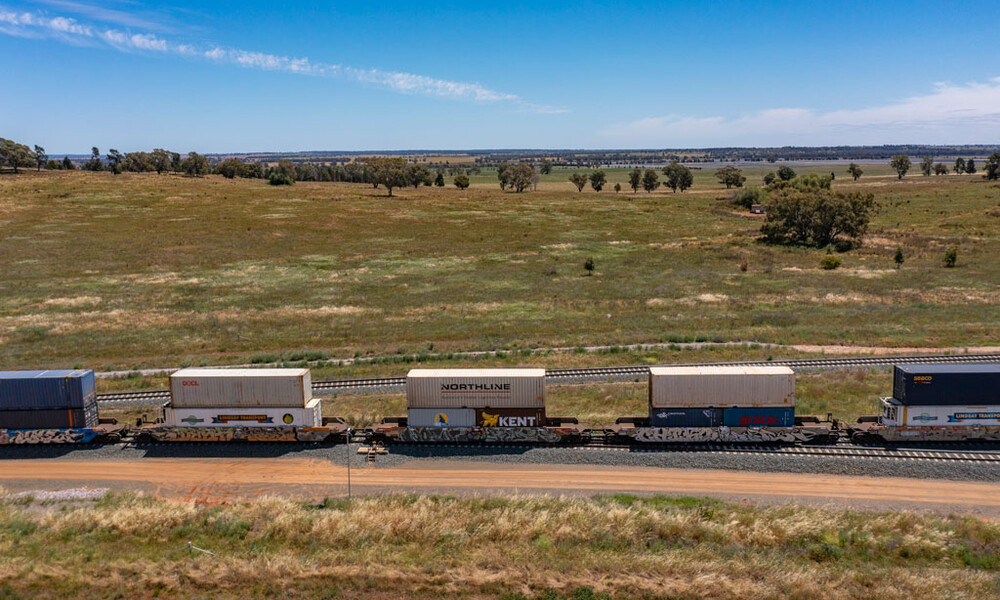
Image: File/Inland Rail
A century-old vision eroded
Originally conceived more than a century ago and formally progressed in the late 2010s, Inland Rail has been pitched as a transformational freight corridor linking two of the east coast’s largest capitals via regional Australia.
Key objectives included cutting freight transit times between Melbourne and Brisbane to under 24 hours, enabling double-stacked container trains through inland NSW and Queensland, and relieving pressure on the congested coastal rail network.
The project has already seen major works undertaken across sections of Victoria and New South Wales, including substantial upgrades and construction through the Riverina and significant investment around the Parkes National Logistics Hub.







Wind in their hair: Cycling Without Age returns to Junee

Sydney murder suspects arrested at Junee prison


