
Local
Illabo farm at centre of push to simplify environmental laws

A JUNEE farm has become the centre of a statewide push to cut environmental red tape, as NSW Farmers calls on state and federal governments to simplify overlapping regulations that are leaving landholders struggling to understand their legal obligations.
The state’s peak farming organisation brought industry representatives and environmental regulators together in Illabo last week, to highlight the challenges farmers face when navigating two separate sets of environmental laws.
Hosted by local farmer Murray Norman and his family, the visit brought together representatives from NSW Farmers, the National Environmental Protection Agency (EPA) and NSW Local Land Services (LLS) for discussions about the practical implications of existing legislation.
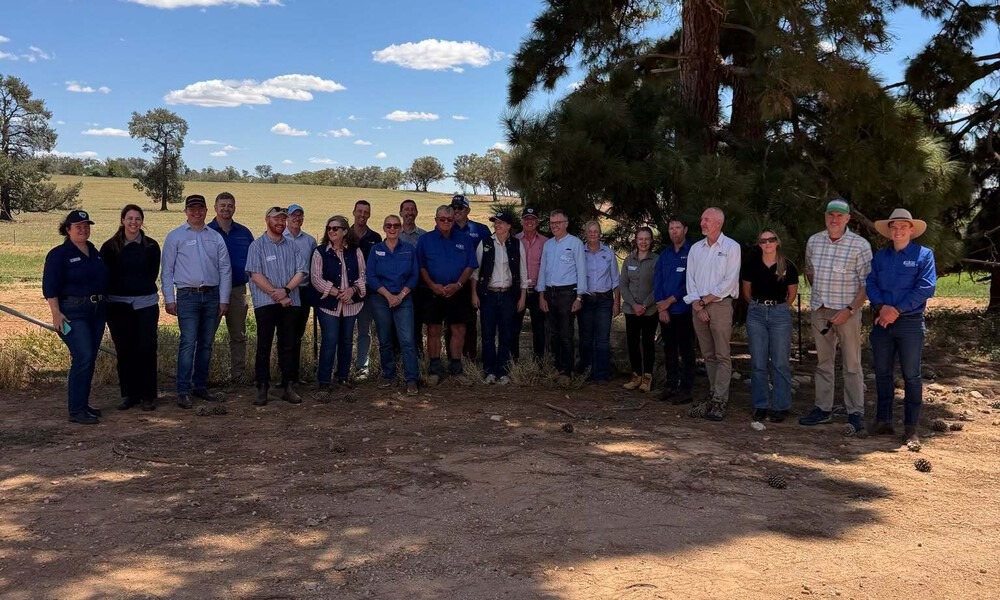
Local farmers, the National EPA, NSW Local Land services and Farmers Association met in Illabo on November 4 to iron out kinks in separate state and federal laws | Image: NSW Farmers
At the heart of the issue is a regulatory grey area that can leave farmers complying with NSW land management requirements while potentially falling foul of Commonwealth environmental laws.
NSW Farmers is pushing for a formal agreement between the two levels of government to eliminate unnecessary duplication, recognise existing state assessments and provide landholders with a clearer pathway to compliance.
The association argues the current system creates uncertainty for farmers undertaking routine property management, including vegetation clearing, infrastructure maintenance and other essential agricultural activities.
NSW Farmers President Rebecca Reardon said landholders needed greater certainty before committing time and money to work on their properties.
“A farmer can follow NSW land management requirements and still be left wondering whether they’re complying with Commonwealth environmental laws,” Ms Reardon said.
“Farmers need clear answers before they book contractors, invest money, clear vegetation, maintain infrastructure or undertake other essential land management activities.”
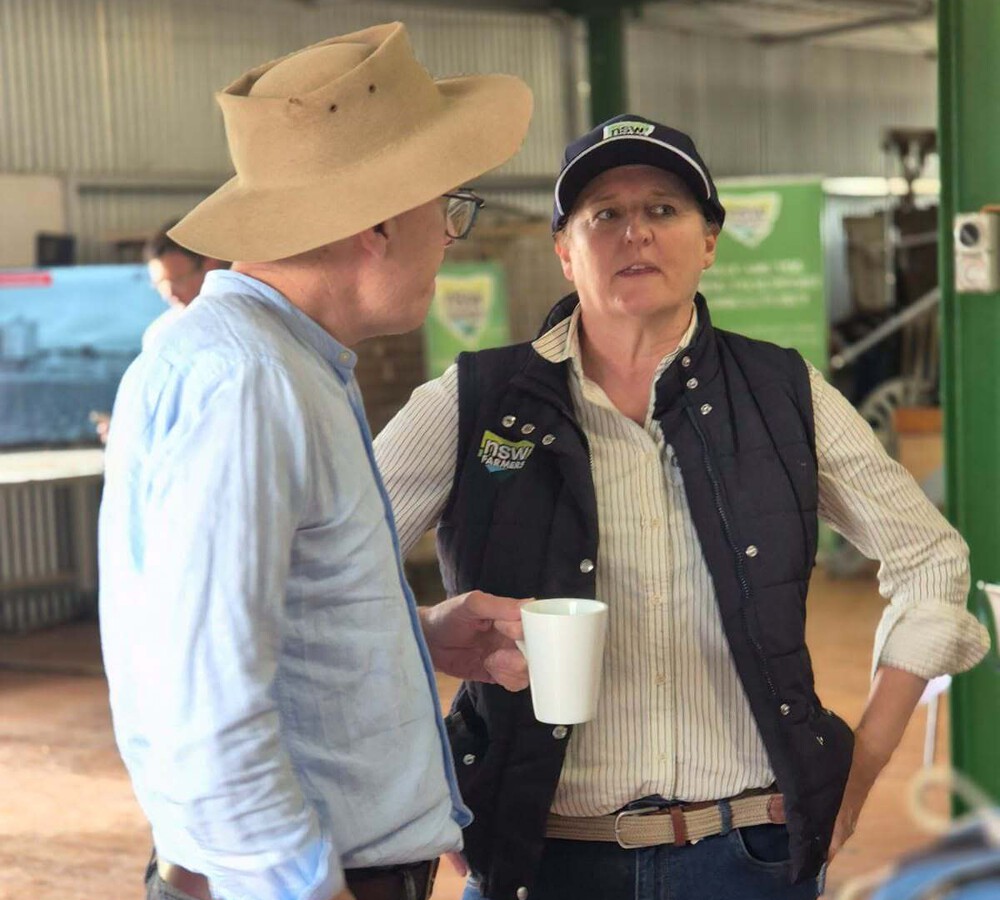
NSW Farmers President Rebecca Reardon speaking with David Atkins of the EPA in Illabo | Image: NSW Farmers
She said the complexity of the two systems placed an unnecessary burden on producers attempting to meet their environmental responsibilities.
“Farmers want to do the right thing, but governments need to make it possible for them to understand and meet their obligations without excessive costs, duplication or the risk of inadvertently breaking the law.”
First-hand experience
For Illabo farmer Murray Norman, who also serves on the NSW Farmers EPBC Taskforce, the November 4 visit provided an opportunity to demonstrate how regulatory complexity affects agricultural businesses at a practical level.
Mr Norman said his family had already invested considerable time trying to establish how state and federal environmental requirements applied to their own property.
“Our farm business has spent considerable time trying to understand how the Commonwealth and NSW requirements apply to our farm, so it was valuable to have representatives from the EPA, LLS and NSW Farmers come together and work through these issues on the ground,” he said.
“We hope the discussions will help develop clearer guidance and better self-assessment tools so farmers across NSW can have greater confidence in meeting their obligations.”
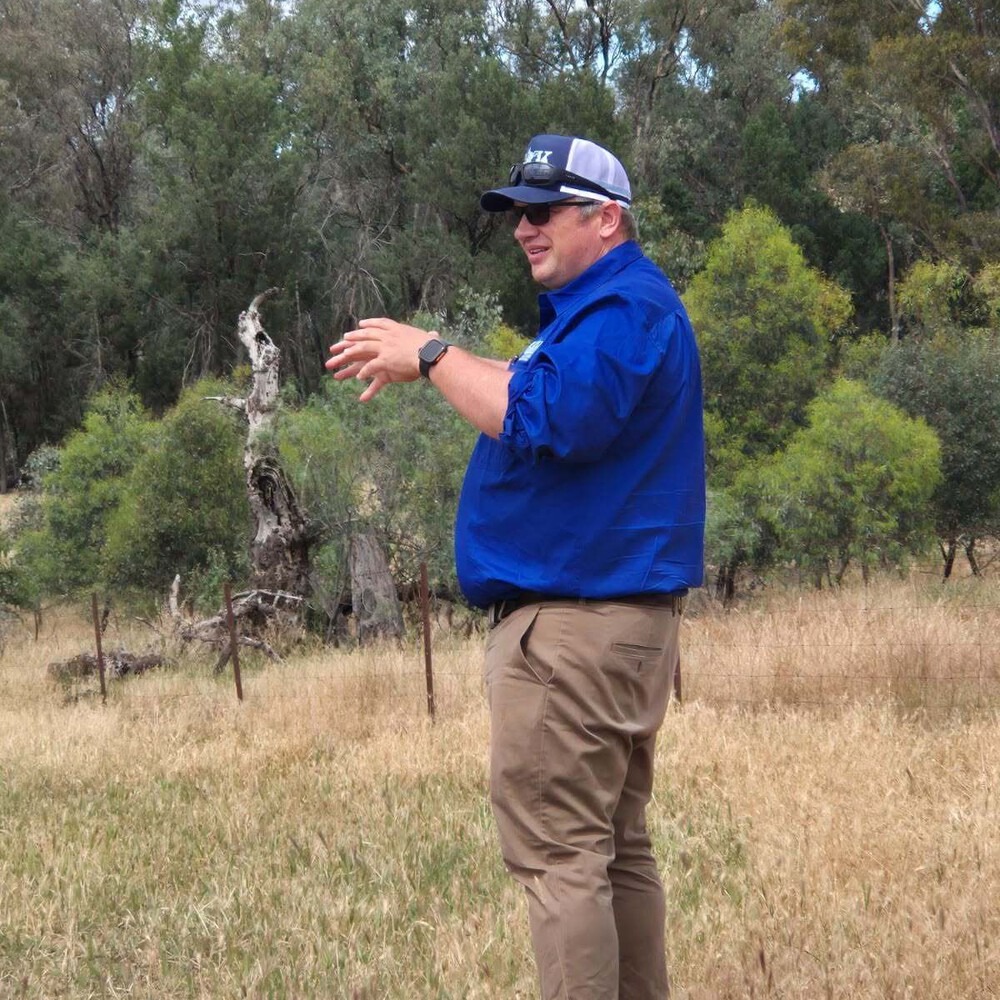
Illabo farmer Murray Norman | Image: NSW Farmers
New tool unveiled
November’s visit also marked the launch of FarmCheck, a new online compliance tool developed by NSW Farmers to help producers better understand their obligations under the Commonwealth Environment Protection and Biodiversity Conservation (EPBC) Act.
Available exclusively to NSW Farmers members, the tool provides a step-by-step process for assessing proposed activities, reviewing property records, checking environmental mapping and protected species information, and documenting decisions.
It is intended to help farmers identify potential regulatory issues before commencing work, including circumstances where additional advice or formal assessment may be necessary.
NSW Farmers EPBC Taskforce Chair Richard Bootle said FarmCheck offered a practical starting point, but warned it was not a substitute for regulatory approval.
“FarmCheck provides a practical starting point and helps farmers work through the questions they need to ask before undertaking work on their properties,” Mr Bootle said.
“But it cannot grant approvals or resolve every uncertainty, particularly where habitat assessments, significant-impact thresholds or existing state approvals are concerned.”
He said greater cooperation between governments, regulators and agricultural organisations remained essential to improving the system, while ensuring existing exemptions available to NSW farmers were protected.
Alongside its push for a bilateral agreement, NSW Farmers is calling for Local Land Services to receive adequate funding and resources to provide more practical, on-the-ground assistance to landholders.
The association also wants agricultural research and development organisations to work more closely with regulators to develop accessible compliance resources for primary producers.
FarmCheck is available exclusively to NSW Farmers members.








Alleged Riverina drug dealer behind bars after police sting

Hundreds back fight to save Junee’s under-awning streetlights

Documents expose aged care capacity crisis at Coolamon


