
Local
Speed shear showdown injects new energy into Junee Pacers Cup

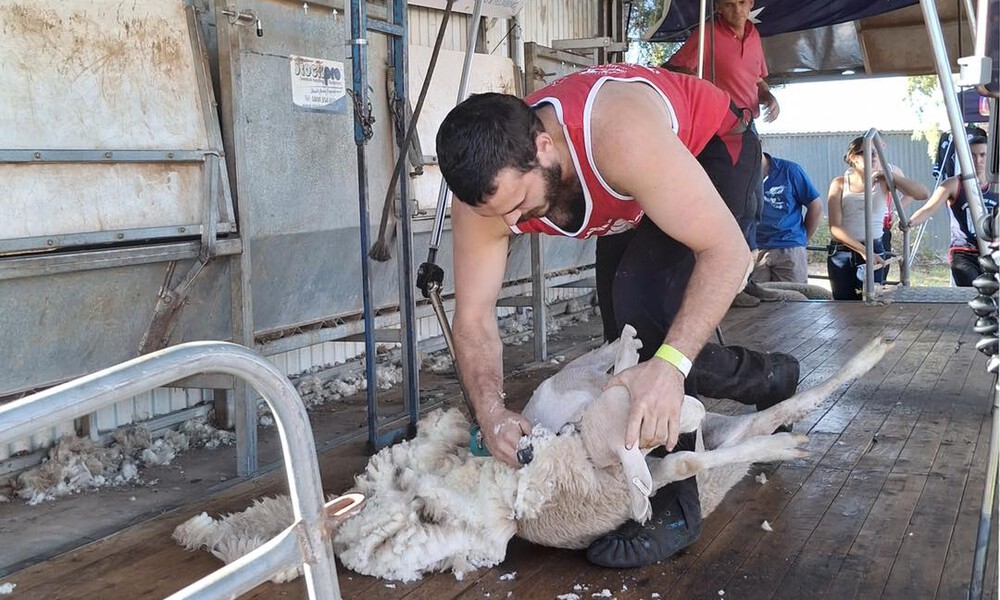
HUNDREDS of people gathered at the Junee Paceway on Saturday night for the town’s flagship harness racing meeting, celebrating racing, rural skill and community pride as fears grow over the future of the summer tradition.
The $18,000 Junee Pacers Cup headlined the evening, but it was the return of the speed shearing competition that pulled crowds through the gates well before the first horse hit the track.
Although numbers were slightly down on last year due to extreme heat, the atmosphere remained upbeat, with families, shearers, punters and racing fans rolling in early to enjoy a full program of entertainment.
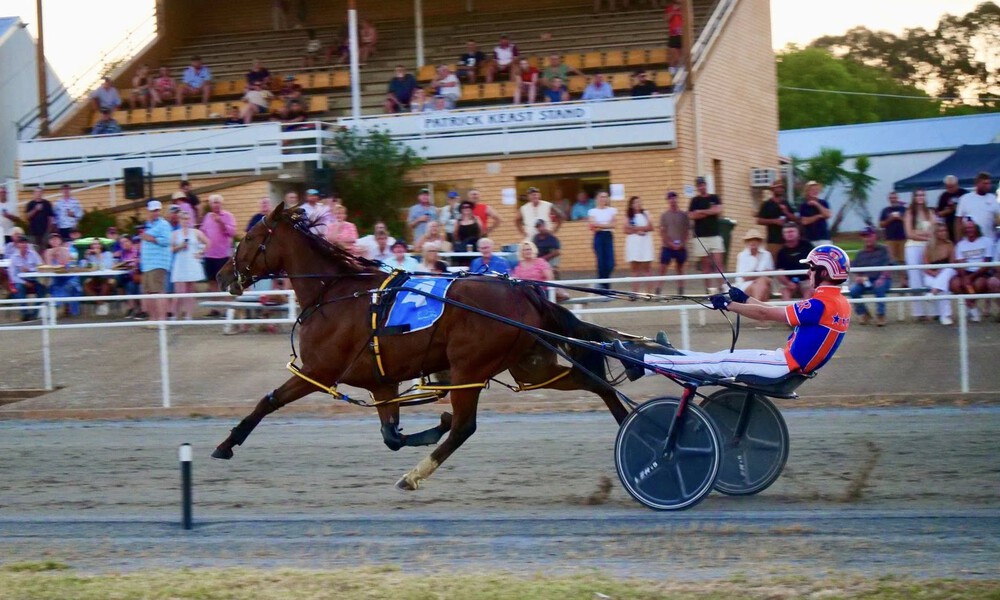
Photo: Facebook/Campbells Comments
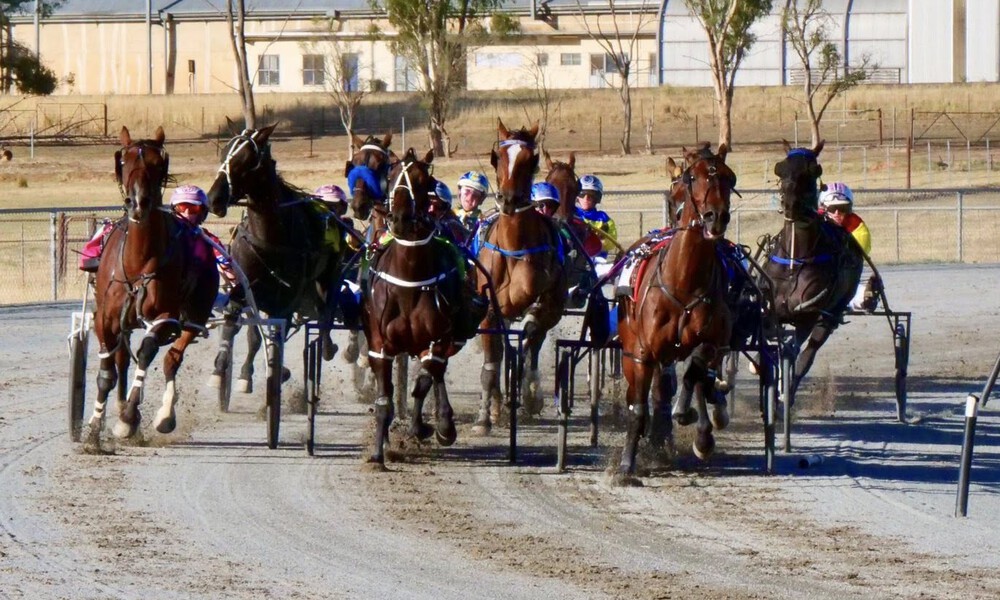
Photo: Facebook/Campbells Comments
Still, the future of Junee’s harness racing calendar loomed large, with concerns the town could lose up to three of its five annual meetings.
The concern follows a major restructure by Harness Racing NSW (HRNSW), aimed at cutting costs and improving financial stability across the state.
In late 2025, the board resolved to end all non-TAB race meetings and limit community clubs to just two TAB meetings a year from 2026 onwards, making it difficult for some to remain financially sustainable.
Speaking with Campbells Comments, Junee Harness Racing Club president Trevor Allamby said the proposed cuts would strike at the heart of a tradition that’s brought the town together for generations.
“That’s the word — that they’re going to reduce us back to two next year, which is a shame,” Mr Allamby said.
“It really affects us. The community like coming to the trots those five times a year. It’s all about the community. They come to support the club because they have since they were kids, just like their parents did.
“If it’s cut back to two, well, what can I do? It is what it is. We’ll see how we go.”
Mr Allamby said the decision to incorporate the speed shearing event into the Cup meeting was driven by a desire to broaden the audience beyond traditional racing crowds.
“You’ve got to get people here who aren’t usually coming to the races. There might be one or two who get interested enough to maybe put in for a horse or something. We’re just trying something different.”
A NEW CROWD, A NEW ENERGY
The speed shear was the brainchild of local organiser Saul Duck, who said the concept was designed to inject fresh energy into the club’s biggest night.
“We decided we needed something else to attract people, so we came up with this idea,” Mr Duck told Campbells Comments. “It worked well last year and it’s working again.”
Despite never having attended a speed shear before launching Junee’s event in 2025, Mr Duck said the results have spoken for themselves.
Shearers were divided into categories based on daily output, with anyone averaging over 300 sheep per day placed in the open division.
“Most of these people today are in the open,” he said. “Nineteen seconds will probably win it today.”
Sheep were prepped and cleaned ahead of the contest, with shearers required to remove the back, shoulders and flanks in a rapid-fire display of precision and speed.
“We took a fair bit off them,” he said.
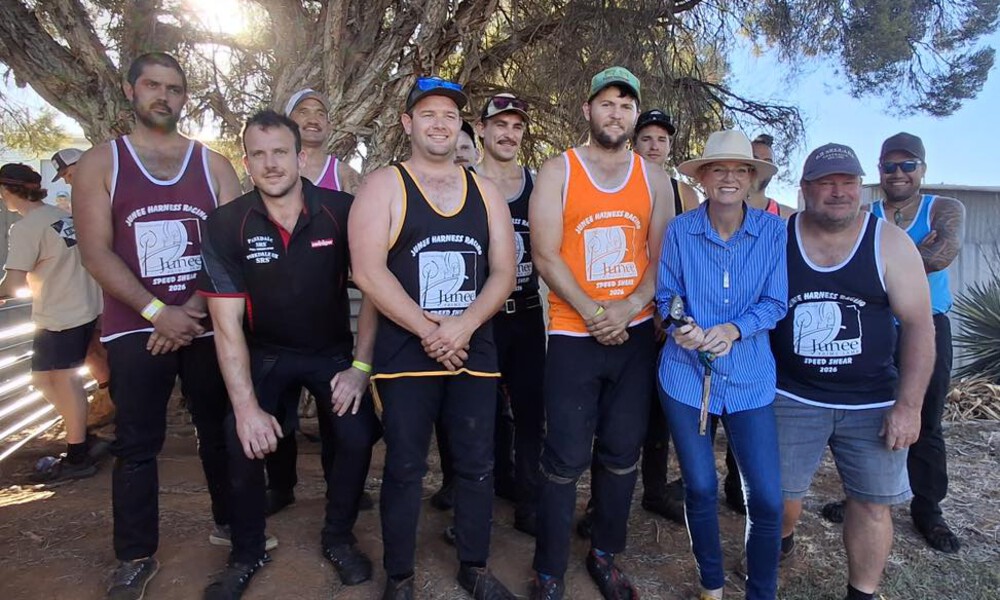
Photo: Facebook/Steph Cooke MP
Photo: Facebook/Steph Cooke MP
Now in its second year, the contest offered more than $10,000 in total prize money across four divisions and ran from mid-afternoon into the early evening.
Mr Duck said the contest was deliberately timed to overlap with the first races, keeping crowds on site and driving traffic to the bar and betting facilities.
“That was our idea,” Mr Duck said. “Run it through until about race four, then everyone heads to the bar and helps the club make a bit more money.”
He said the speed shear brought in a crowd that may not have otherwise attended, and he echoed concerns about the future.
“Without the little clubs, we’ve got nothing. We can’t keep going down. Definitely five meetings would be great.”
‘THE FLOW ON EFFECT IS ENORMOUS’
Cootamundra MP Steph Cooke, who was among those in attendance, said the success of the Pacers Cup and the speed shear highlighted the wider social and economic value of small-town race meetings.
“We grew up on trots. It’s such an important part of our summer. We’d love more of them, certainly not less,” Ms Cooke told Campbells Comments.
“It’s not just about the economic value. It’s about the fabric of our way of life.
“This time of year, we have our fair share of drought and other challenges. It’s so important that farmers and townies can come together and enjoy a really great night out.”
Ms Cooke said Harness Racing NSW needed to better recognise the value of small communities, and the value and economic input small tracks bring to the region.
“The flow-on effect is enormous,” she said. “All of this money circulates back into our local community.”
She also praised the volunteer committee behind the speed shear and major sponsor Junee Lamb for showcasing agriculture in a fresh, community-focused way.
“Sheep is one of the main agricultural outputs from this region. Every single job in these communities links back to agriculture in some way. Without it, we’re buggered,” she said.
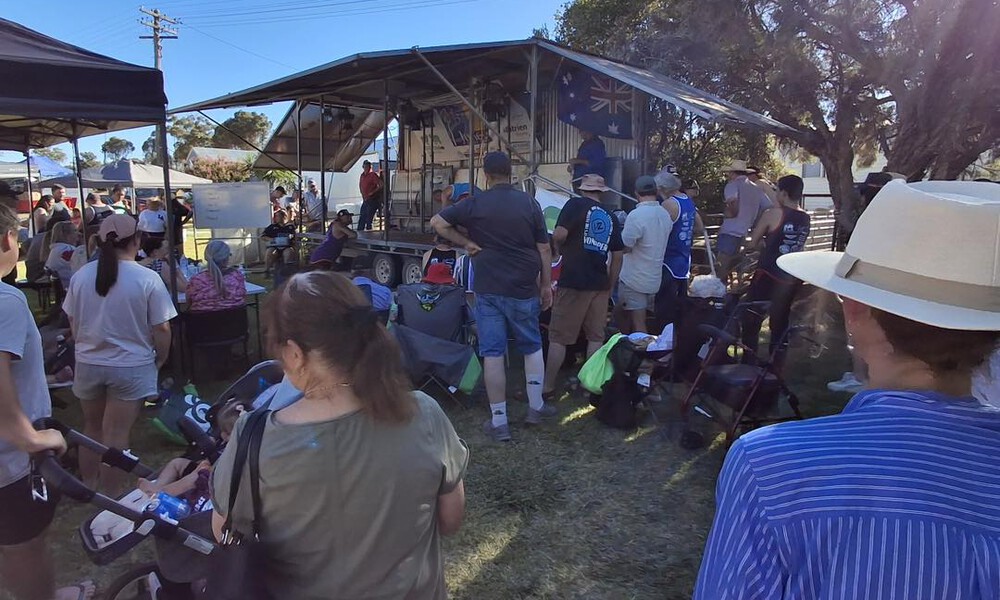
Photo: Facebook/Steph Cooke MP
“Those shearers are just fantastic, and the event itself — put together by volunteers who have worked their guts out for months — it’s so good to see it come together.
“It’s thinking outside the box, celebrating it in a different way to what you’d normally see at an agricultural show. It’s fantastic.”
‘LIFEBLOOD OF THE GAME’
Long-time local trainer Bruce Harpley said events like the Pacers Cup were critical to the survival of harness racing in country towns.
“They’re massive. They’re the lifeblood of the game,” he told Campbells Comments.
“You put entertainment on, you get people out just to enjoy it once or twice a year, and everyone goes away with a good feeling.”
He said the affordability and relaxed nature of the night remained one of its biggest drawcards.
“You can come here, spend bugger all, the kids can run around on the grass, go on the jumping castles and have a bit of entertainment.”
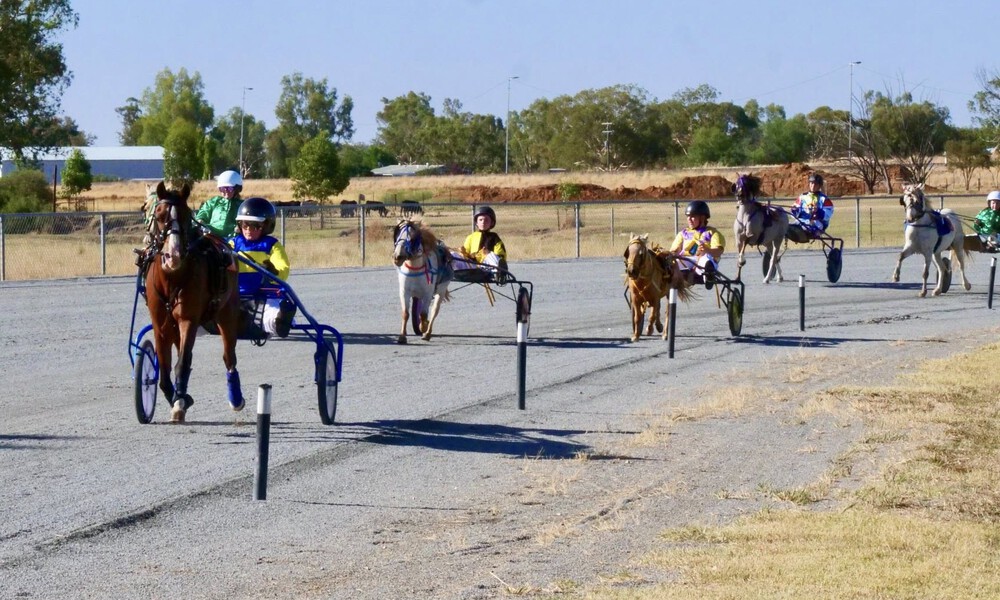
Photo: Facebook/Campbells Comments
Mr Harpley also said the speed shear was now a natural part of the program.
“It was a success last year and they’re keen to keep it going. It creates interest, brings the crowd and adds to the atmosphere. It’s a country meeting with a bit of class about it.”
As the final races ran under lights and the crowd filtered out into the warm night, the mood remained upbeat. But for many, the future of the event — and regional racing more broadly — was the question on everyone’s mind.
Saturday night was both a celebration of what the Pacers Cup has become and a reminder of what could be lost if small-town racing is allowed to fade away.













Wind in their hair: Cycling Without Age returns to Junee

Sydney murder suspects arrested at Junee prison


