
Local
From Junee to POW: The remarkable story of ‘Tootie’ Keast

SHE was born in Junee, served her country as a nurse, and survived more than three years as a prisoner of war.
Captain Daisy Cardin Keast — known to many as “Tootie” — is one of the Junee region’s most extraordinary wartime figures, a woman whose story of courage, endurance and quiet resilience continues to echo through generations.
Born on March 9, 1911, in Junee, Keast would go on to serve with the Australian Army Nursing Service during the Second World War, answering the call at a time when the nation faced one of its greatest challenges.
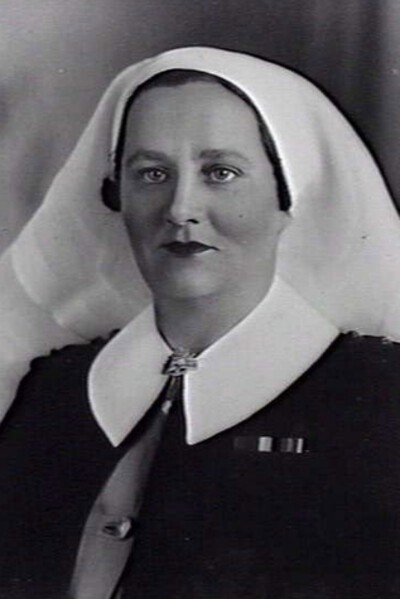
A 1946 studio portrait of Sister Daisy (Tootie) Cardin Keast six months after her return from the POW camp in Japan where she had been held since July 1942 | Source: Australian War Memorial
In April 1941, she was deployed to Rabaul in Papua New Guinea, where she was stationed at the Camp Hospital alongside fellow nurses.
But less than a year later, in January 1942, Japanese forces invaded.
In the days leading up to the invasion, the hospital was evacuated to the Catholic Mission at Vunapope. It was there that Keast and her colleagues were captured, becoming part of a group of seventeen nurses taken prisoner, including six from the Australian Army Nursing Service.
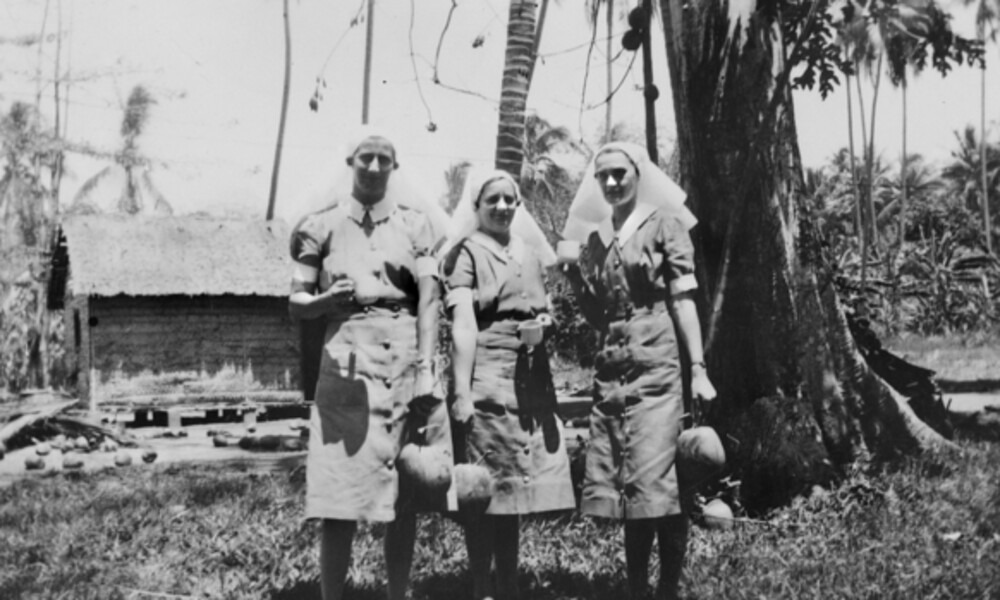
Three of the six Australian Army Nursing Service (AANS) nurses, who were part of Lark Force, enjoying a tea break outside in Rabaul, New Britain. Left to right: Captain (Capt) Kathleen (Kay) Isabel Alice Parker; Lieutenant (Lt) Daisy (Tootie) Keast; and Lt Marjory J. (Jean) Anderson | Source: Australian War Memorial
What followed was a harrowing chapter.
Under the leadership of Captain Kay Parker, the group was interned at Vunapope under increasingly difficult conditions before being transported in July 1942 aboard the Naruto Maru to Yokohama, Japan.
From there, conditions only worsened.
The women were later moved to Totsuka in 1944, where they remained for the duration of the war — isolated, underfed, and largely unaware of the progress of the conflict unfolding beyond their prison walls.
For more than three years, Keast endured captivity far from home.
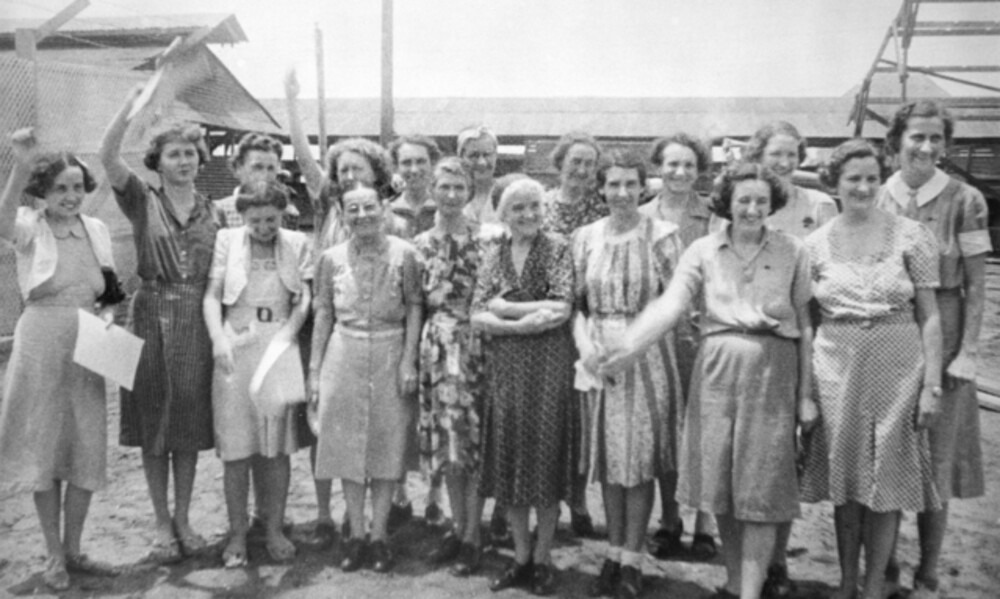
Keast (far right) pictured with 15 other rescued nurses and one civilian at a POW processing unit on their way home on 4 September 1945 | Source: Australian War Memorial
Her survival, like that of the women around her, was a testament to resilience, discipline and the unbreakable bonds formed under extraordinary circumstances.
Their liberation finally came in 1945, not through formal announcement, but after the group flagged down an American jeep, bringing an abrupt end to years of uncertainty and hardship.
In one of the most enduring images of that moment, Keast was photographed in September 1945 enjoying canned pork and apple sauce — the first she had tasted in four years — a simple act that spoke volumes about the deprivation she had endured.
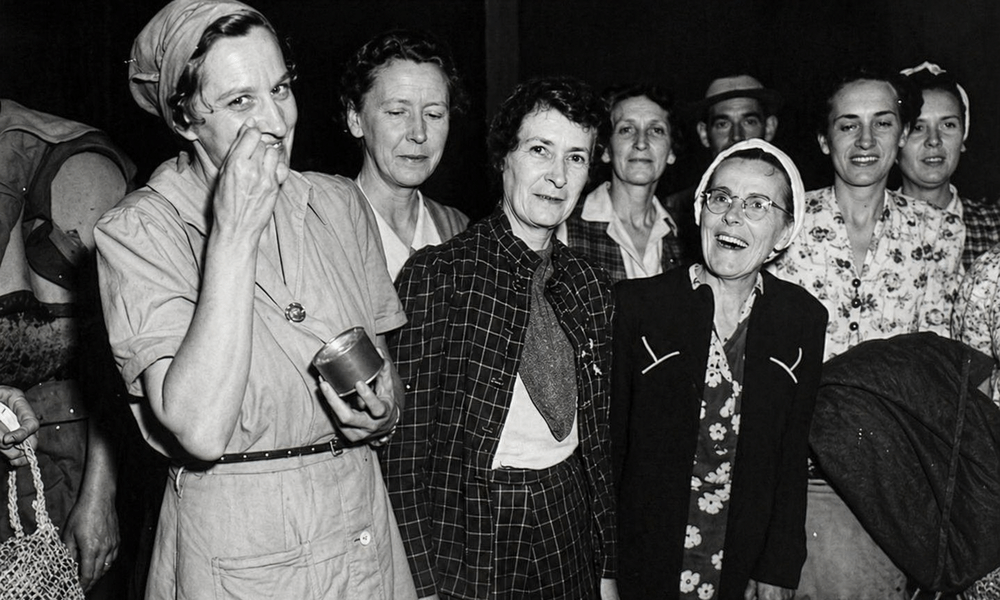
Fellow rescued nurses watch on as Lieutenant Daisy (Tootie) Keast enjoys canned pork and apple sauce in September 1945, the first she had tasted in four years. | Source: Australian War Memorial
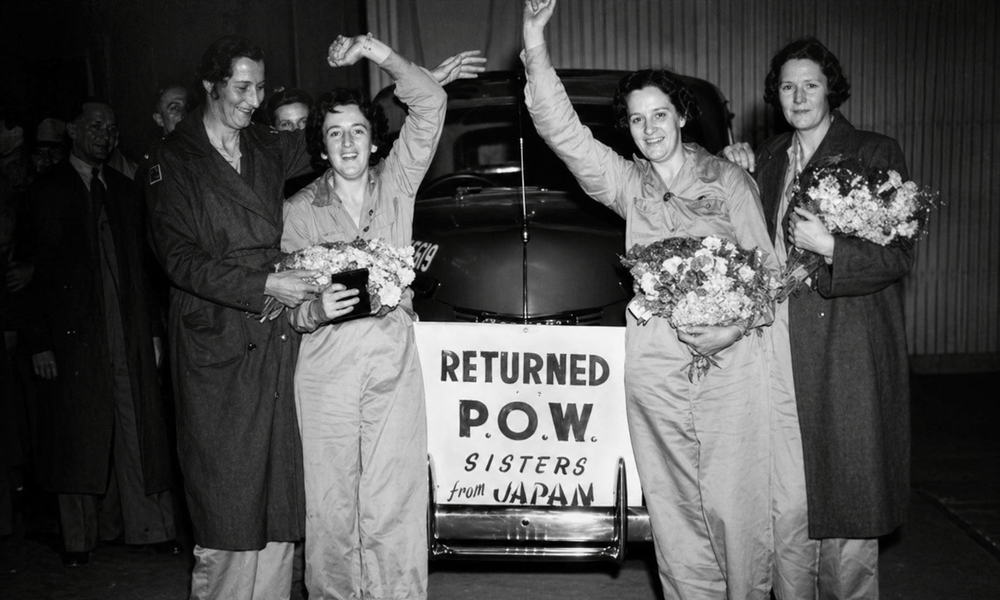
Later that month, she returned to Australia, arriving in Sydney on September 13 alongside fellow nurses, greeted by family, friends and a nation ready to welcome them home.
Photographs from the time show Keast standing proudly among the returning prisoners of war, bouquets in hand, in front of a car bearing the words: “Returned POW Sisters from Japan.”
Left to right: Captain Kay Parker, Lieutenant (Lt) Lorna Whyte; Lt Daisy ‘Tootie’ Keast; Lt Mavis Cullen. | Source: Australian War Memorial
It was the end of one chapter — but the legacy of her service would endure.
Now remembered as Captain Daisy “Tootie” Keast, her story is one of both local pride and national significance.
More than 80 years on, her connection to Junee continues to resonate, particularly on Anzac Day, where her name and service serve as a reminder of the sacrifices made not only on the battlefield, but behind the front lines.
This year, her story was again brought to life at the Junee Reefs Anzac Day service, where local research into her life helped connect a new generation to a remarkable piece of the region’s history.
In towns like Junee, where remembrance runs deep, stories like Keast’s ensure that the legacy of those who served is not just remembered, but understood.
Lest we forget.











Man charged over woman’s alleged stabbing murder

BREAKING: Child dead, three critical after NSW stabbing


