
Riverina
‘We can finish this’: Private push emerges to rescue Inland Rail

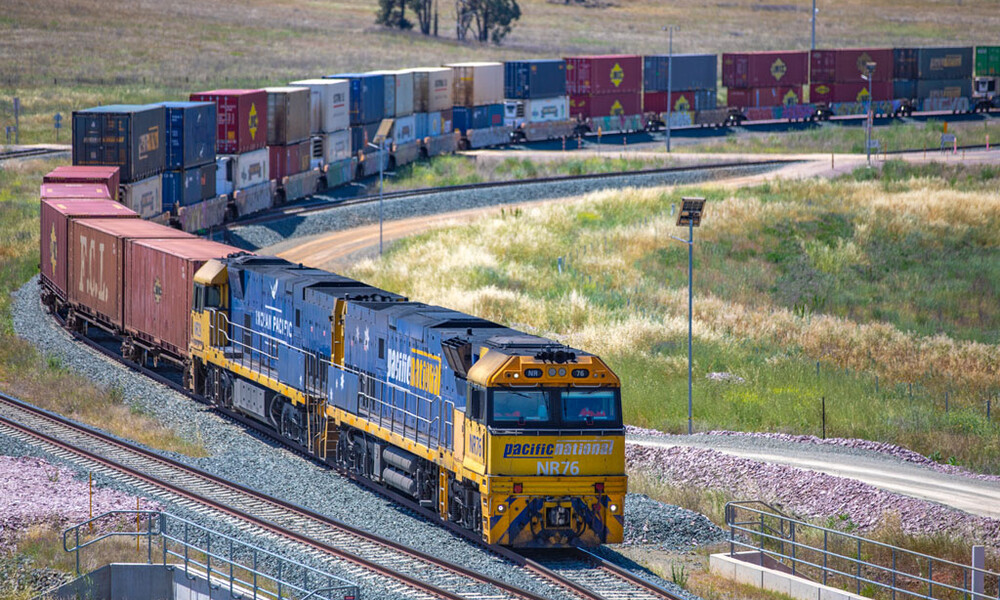
AUSTRALIA’S long-troubled Inland Rail project could be pulled back from the brink, with fresh negotiations reportedly underway to revive the shelved northern section through private investment.
Just weeks after the Federal Government confirmed it would no longer fund Inland Rail beyond Parkes, the man widely regarded as the project’s founding father, Everald Compton, says talks have begun on a new privately backed plan to complete the freight corridor north into Queensland.
The 94-year-old Queensland businessman and chair of GreenLink Australia met last week with Prime Minister Anthony Albanese and Infrastructure Minister Catherine King in Canberra, to pitch an alternative model that could see the line extended from Parkes through to the Port of Gladstone.
The proposal would represent a dramatic twist in the long-running Inland Rail saga after the Albanese Government abandoned the original vision of a 1,600-kilometre freight corridor linking Melbourne and Brisbane amid massive cost blowouts.
The decision followed an independent assessment which found the full project to Brisbane could exceed $45 billion and would likely not be completed before 2036.
The Commonwealth’s current position is to complete the line between Beveridge in Victoria and Parkes in NSW, allowing double-stacked freight to move between Melbourne and Perth via Parkes while preserving northern corridors for possible future development.
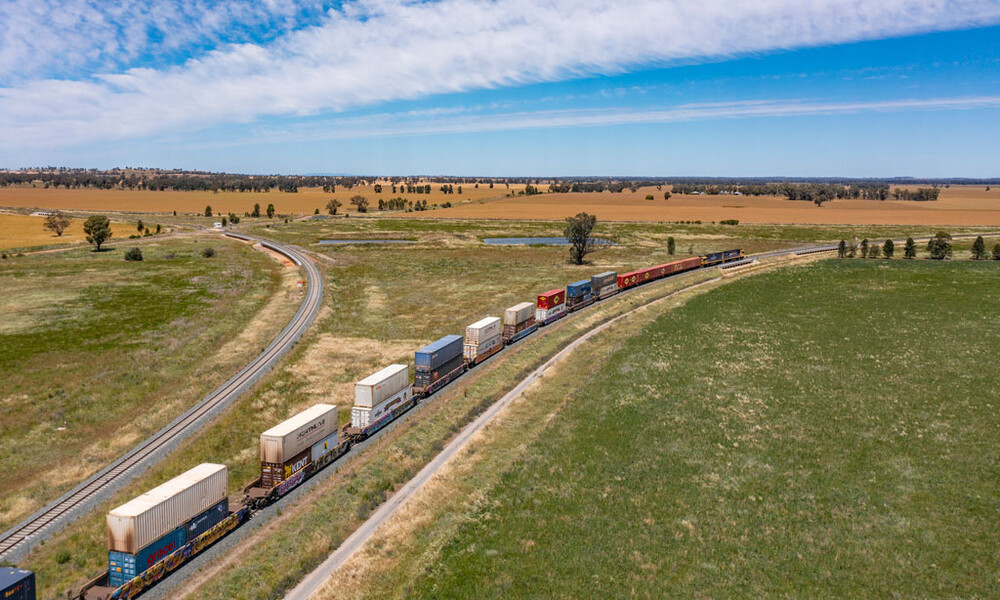
Image: File/Inland Rail
The announcement was a bitter blow for regional communities and freight advocates, who had long backed Inland Rail as a once-in-a-generation nation-building project capable of shifting freight off roads, easing pressure on highways and unlocking new economic opportunities across inland Australia.
But Compton, who has spent nearly three decades lobbying for Inland Rail and stood alongside former prime minister John Howard when the concept was publicly launched in 1998, believes the project can still be salvaged.
Speaking on the ABC’s Insiders on Background podcast, Mr Compton said the dream was not dead.
“This thing is on and, in my view, now unstoppable,” he said.
Mr Compton said he accepted the Federal Government had been forced to stop the financial “bleeding” on a project plagued by delays, escalating costs and what he described as excessive bureaucracy.
“It was featherbedded with staff, contractors that weren’t necessary, legal action against landowners that wasn’t necessary. Everything that could have gone wrong with this project has gone wrong with it,” he said.
However, he said the Government’s decision to halt the line at Parkes had also threatened to derail a separate proposal his consortium had spent the past five years developing, a freight rail link between Goondiwindi and the deep-water Port of Gladstone.
Mr Compton said that proposal depended on connecting back into the national freight network through Inland Rail.
“When he decided to stop at Parkes, it meant that our project was dead,” he said.
“Who’ll build a railway from Gladstone to Goondiwindi that doesn’t link up with Inland Rail?”
He now believes the proposal can be expanded into a broader private-sector rescue plan, extending the line north from Parkes to Goondiwindi before connecting with Gladstone and effectively restoring the missing northern link abandoned by Canberra.
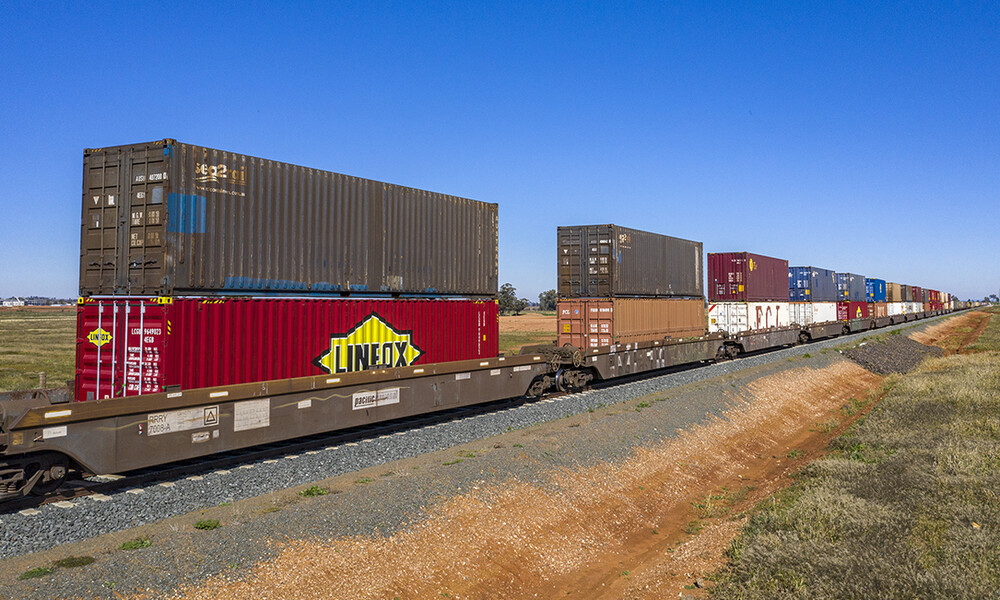
Image: File/Inland Rail
Mr Compton said the Prime Minister had listened to the proposal and asked Ms King to begin discussions with him and departmental officials.
“We shook hands on the fact that negotiations had begun,” he said.
“The Prime Minister couldn’t say to me the job is yours, we’ve got to go through all the legal process, but this thing is on.”
Compton believes his consortium could complete the revised northern section for substantially less than current government estimates.
He claims the line from Parkes to Goondiwindi could cost roughly $5 billion, with a further $10 billion required to extend it to Gladstone.
“We will work a lean, mean operation. We’re not going to employ expensive consultants,” he said.
“We’re going to employ bright young Australians … to bring this thing in under budget and on time.”
The funding, he says, would be sought from superannuation funds, private investors and international infrastructure backers, though he argues investors would require long-term certainty before committing.
According to Mr Compton, that would require a firm government mandate allowing the private consortium to proceed without the risk of future political interference.
“Investors in infrastructure don’t trust governments,” he said.
“They’ll only do that if we get a prime mandate that governments cannot back out of.”
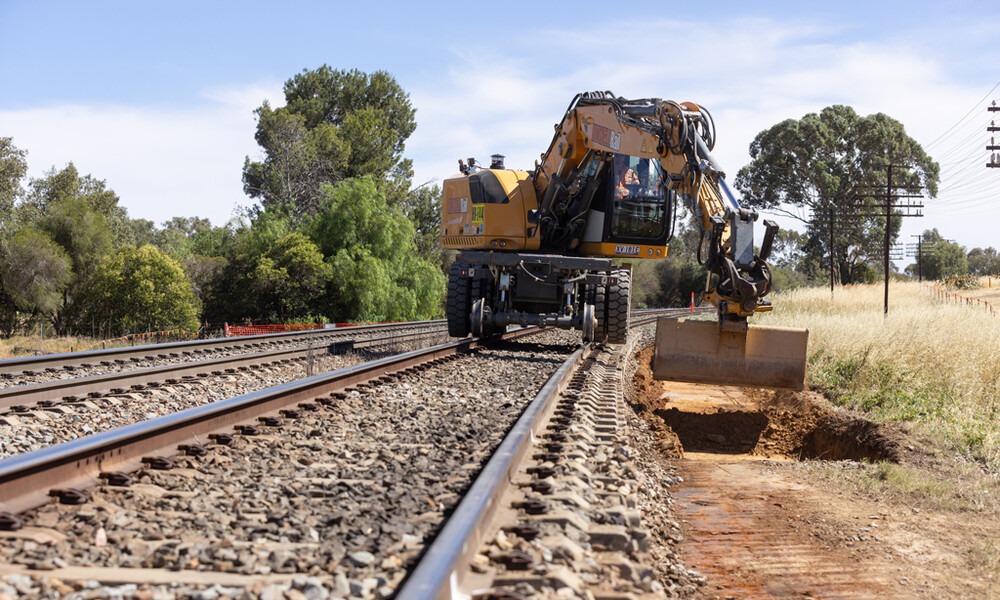
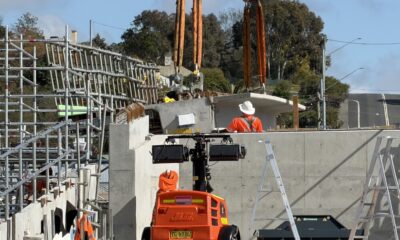
Work on the line from Junee to Illabo in December 2025 | Photo: Inland Rail
The Gladstone proposal would significantly reshape the original Inland Rail vision, shifting the northern end of the freight corridor away from Brisbane and instead linking inland Australia to one of the nation’s major deep-water ports.
Mr Compton argues Gladstone is better suited to handling large international container vessels and could become a major freight gateway for eastern Australia.
“There are only two ports in eastern Australia that can handle those big freighters. One is Gladstone and the other is Sydney,” he said.
“Logistically, the land operation in Sydney city can’t handle it, but they can handle it at Gladstone.”
He believes cargo unloaded at Gladstone could move inland by rail, reaching Sydney and Melbourne days faster than existing shipping routes.
“With our railway… we can get freight from Gladstone down to Sydney four days quicker… and Melbourne seven days quicker,” Mr Compton said.
“My forecast is, I won’t live to see it, but Gladstone will become the Rotterdam of Australia.. we’re looking at a freight revolution.”
If negotiations proceed and the project receives the green light, Mr Compton believes Goondiwindi could be connected by 2030, with the full Parkes-to-Gladstone corridor potentially operational by 2032.
“We can finish this,” he said.
“I’ve got no doubt that we can get the money.”
For now, Inland Rail’s northern future remains uncertain.
But after weeks of speculation the project had reached the end of the line, a private-sector revival bid has placed it firmly back on the national agenda.
You can watch David Spears’ full interview with Everald Compton below.








Man resuscitated after cardiac arrest at Junee sports field

Pam Halliburton elected Junee mayor in historic changing of guard


