
Riverina
Coalition vows to restore regional workforce in migration overhaul

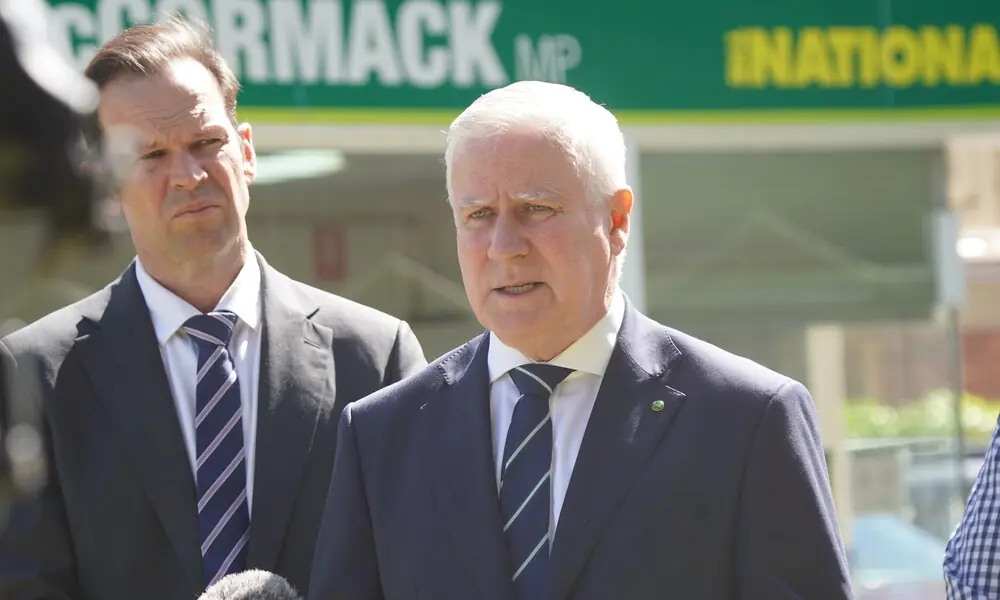
THE RIVERINA’S critical need for seasonal workers has been thrust into the national immigration debate, with Nationals Leader Matt Canavan visiting Wagga today to explain how the Coalition’s sweeping migration overhaul would benefit regional communities.
Senator Canavan was joined by Riverina MP Michael McCormack, NSW Farmers vice-president Justin Everitt and Junee Licorice and Chocolate Factory owner Rhiannon Druce as the Coalition promoted its plan to slash overall migration while protecting access to workers needed across regional Australia.
The visit came a day after the Liberal-National Coalition unveiled plans to cut net overseas migration to 100,000 a year for the first two years of a Coalition government, before rising to 130,000 in the third year and 160,000 in the fourth.
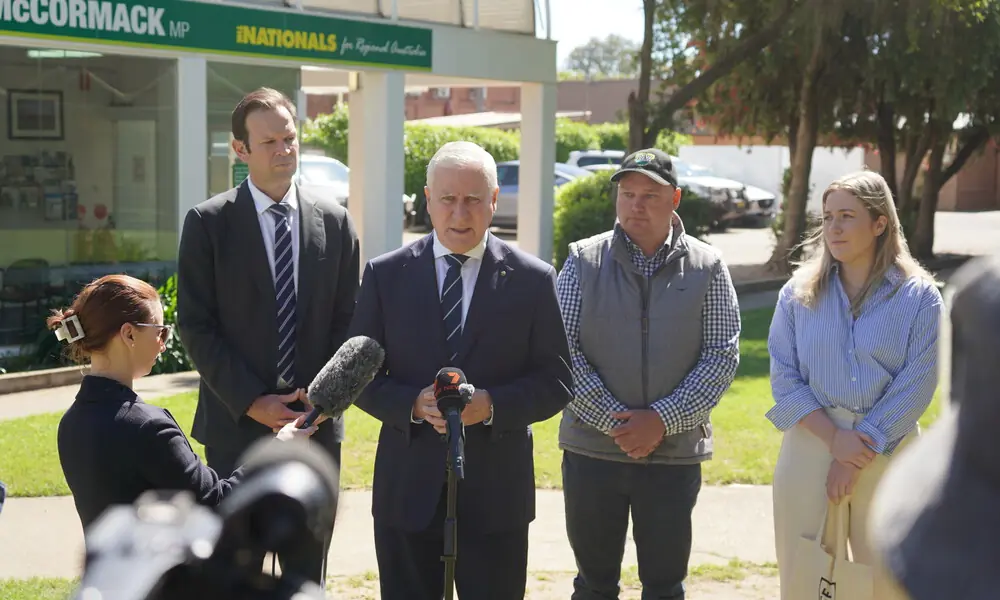
Leader of The Nationals Senator Matthew Canavan (left) pictured in Wagga with Riverina MP Michael McCormack, NSW Farmers Vice President Justin Everitt and Rhiannon Druce of the Junee Licorice and Chocolate Factory | Image: Supplied
The changes would cut the number of temporary visa holders by about 650,000 over four years, which the Coalition says would represent the largest cut to migration in Australia’s history.
To achieve the target, the Coalition would require second and subsequent temporary visa applications to be made from outside Australia, a move it says would virtually eliminate bridging visas.
Temporary Graduate Visas would also be replaced with a more targeted temporary skilled visa, while student visa numbers would be reduced by limiting most international students from bringing family members.
“Bridging visas are visas people get when they’re waiting for a decision or they’re appealing a decision in the courts,” Senator Canavan said.
“That has blown out an enormous over 300,000 in the last few years. We’ll make sure people have to go home to apply for a new visa so we won’t have that problem any more.”
The Coalition says the overhaul would ease pressure on housing and infrastructure by reducing temporary migration while increasing the proportion of skilled workers in the intake.
But in the Riverina, the focus is less on the headline migration numbers and more on whether farmers, tourism operators, hospitality businesses, health services and aged care facilities can still access the workers they need.
Senator Canavan said the Coalition would target migration towards skills Australia needs, including health, while protecting regional migration programs and retaining the Working Holiday Maker program.
“The Coalition will take back control of our migration system and ensure it works for Australia by bringing in the right people in the right numbers, with a laser focus on the skills regional Australia needs,” Senator Canavan said.
“We will prioritise skilled migration, including skilled partners, fill construction gaps through new killed project visas, [and] protect regional programs, such as agriculture, health, tourism and hospitality.”
“We are taking a ‘if it ain’t broke, don’t fix it’ approach. And the backpacker visa system we have works very well.”
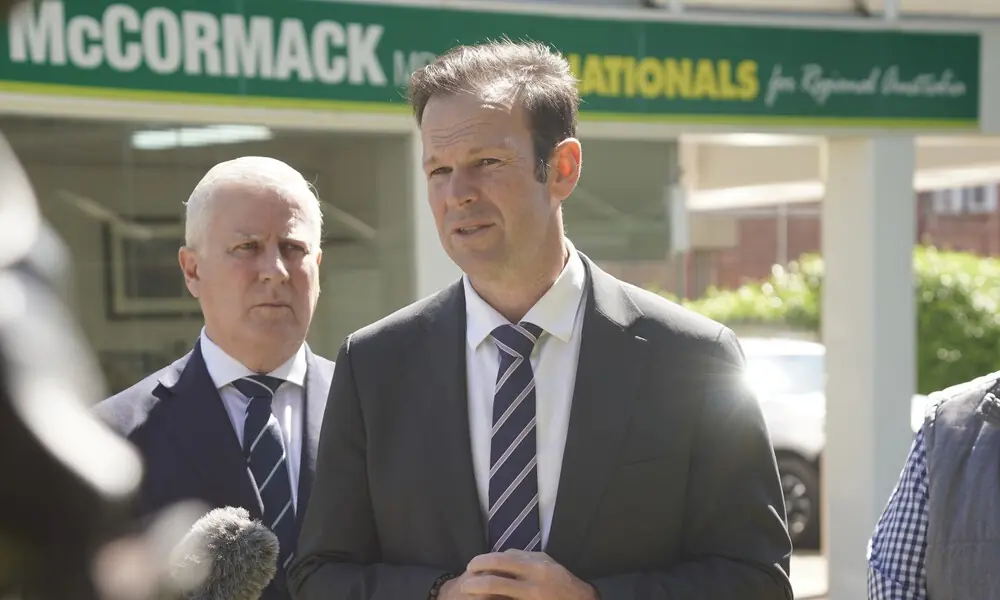
Leader of The Nationals Senator Matthew Canavan in Wagga on Wednesday, October 7 2026 | Image: Supplied
Under the Coalition plan, Labor’s current ballot system for second and third-year Working Holiday Maker visas would be scrapped, while backpackers working in regional areas would be offered lower visa fees.
The Coalition would also reintroduce an Agriculture Visa and establish new skilled visa pathways aimed at plugging critical workforce gaps.
Recent changes to the Working Holiday Maker program have introduced ballots limiting second-year backpacker visas to 45,000 and third-year visas to 5,000, compared with previous levels of 57,000 and 31,000 respectively.
The Coalition has labelled the changes a major threat to regional industries heading into the peak harvest and tourism periods.
Mr McCormack said he had not heard anyone in agriculture support the new system, which he slammed as “rushed and unfair” to farmers and regional communities that rely on seasonal backpackers.
“There are genuine fears, with the harvest not far away, with the summer plantings that will take place in our irrigation communities early next year,” he said.
“There has to be a balance in our migration system. It’s not being met at the moment.”
NSW Farmers vice-president Justin Everitt said working holiday makers were critical to getting the harvest off the ground.
“We really need these backpackers in our regions helping not only harvest, but also in the grain receival sides, picking fruit,” he said.
“They really are an integral part of the seasonal workforce that we rely heavily on.”
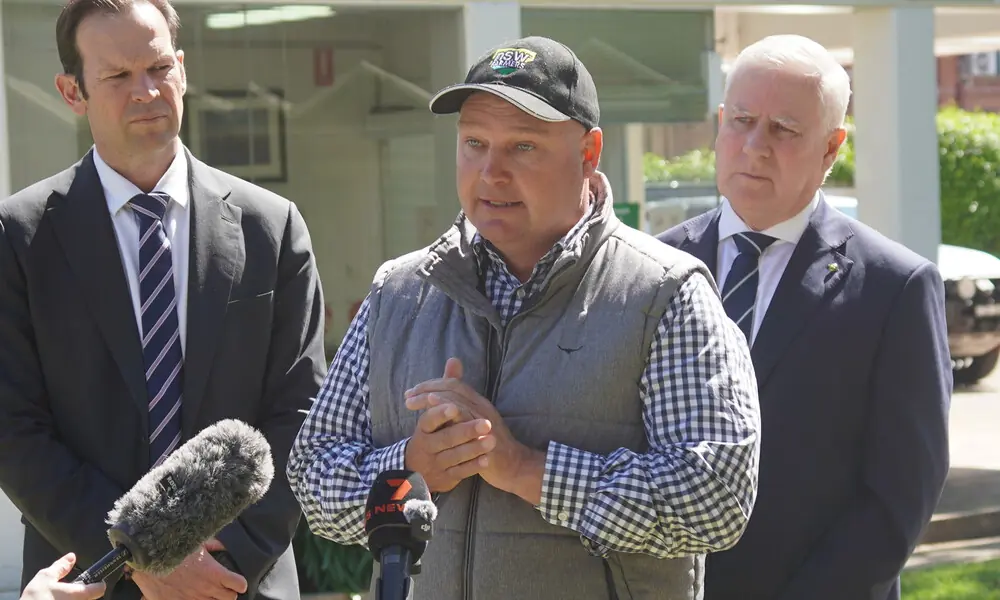
NSW Farmers Vice President Justin Everitt speaks in Wagga on Wednesday, October 7, 2026 | Image: Supplied
For Junee business owner Rhiannon Druce, the workforce issue extends well beyond agriculture.
Ms Druce, whose family owns and operates the Junee Licorice and Chocolate Factory, said the business relied heavily on working holiday makers, particularly as visitor numbers to regional areas continued to grow.
“We find in the Riverina we are very much struggling for staff,” she said.
“A lot more people are wanting to visit the regions ever since COVID, which is a great thing, but we need staff to be able to make their coffees, serve them food and all the great things that surround chocolate.”
Ms Druce said the 88-day regional work requirement also provided international visitors with an opportunity to experience life outside Australia’s major cities.
“Give a bit of work and you can go on a beautiful holiday,” she said.
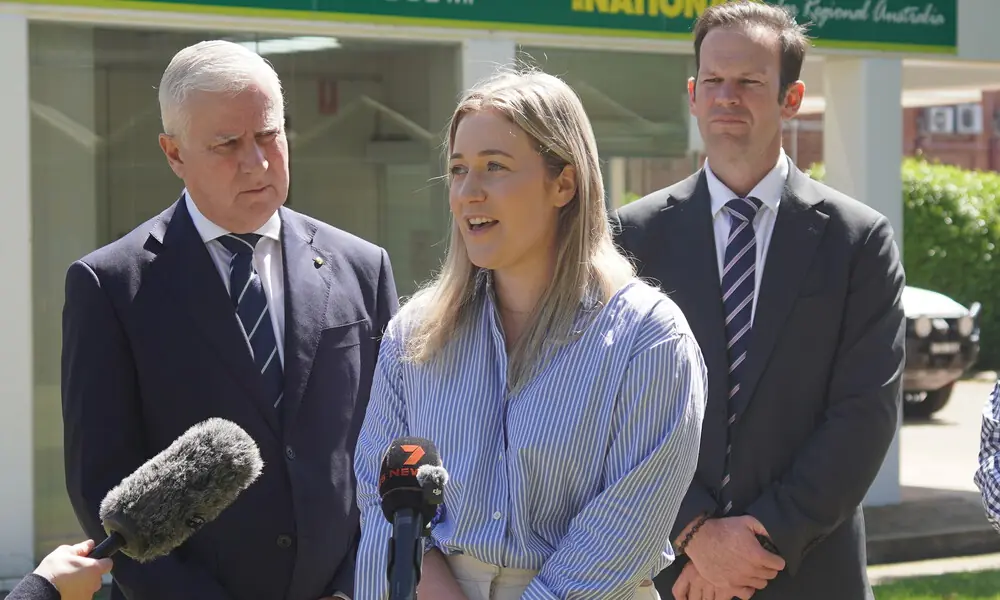
Rhiannon Druce of the Junee Licorice and Chocolate Factory | Image: Supplied
Ms Druce said regional Australia should not be competing for workers as an “afterthought”.
“Giving employers better access to labour where it is needed most will help create certainty and support long-term investment in towns such as Junee,” she said.
Mr McCormack said the region needed backpackers and migrant workers across agriculture, tourism, hospitality, health and aged care.
“We need our migrant workers, we need them in every area of endeavour,” Mr McCormack said.
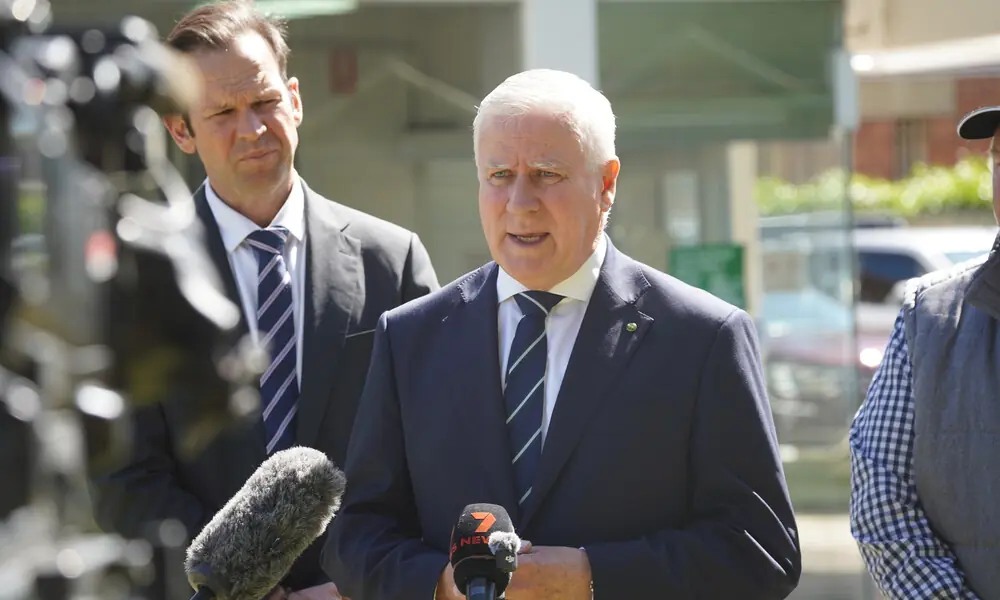
Riverina MP Michael McCormack speaks in Wagga on Wednesday, October 7, 2026 | Image: Supplied
He pointed to Wagga’s role as a regional health and education centre, as well as the experience of Coolamon Shire’s aged care sector, where he said migrant workers had helped reopen beds that had previously been closed because of staff shortages.
“The whole Murrumbidgee valley, more than a quarter of a million people rely on the health services that Wagga Wagga provides, and many of those services are underpinned by migrants” Mr McCormack said.
“The Coolamon Allawah Aged Care centre run by Coolamon Shire Council would not be able to operate without migrant workers.”
Mr McCormack also highlighted the importance of Charles Sturt University to the region, saying the Coalition’s plan would include exemptions for regional universities from some of the proposed changes to temporary graduate visas.





It’s back! Illabo Show returns for 104th year

Coalition vows to restore regional workforce in migration overhaul


