
Riverina
Wagga greyhound track saved as deaths spark fresh scrutiny

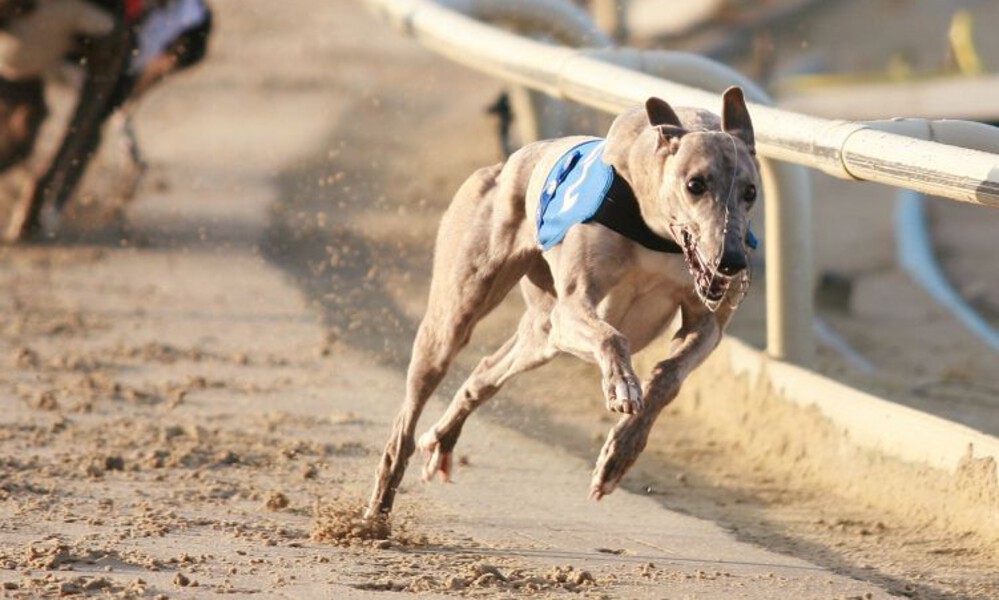
WAGGA’S greyhound racing track has been saved from closure following a months-long community campaign, but the decision is certain to reignite debate over the future of the controversial sport in the Riverina.
Greyhound Racing NSW (GRNSW) confirmed on Wednesday that its board had approved a proposal from the NSW Greyhound Breeders, Owners and Trainers Association (GBOTA) to take over the funding and operation of the Wagga Wagga Greyhound Racing Club.
The decision represents a dramatic turnaround for the long-running Wagga track, which had been earmarked for closure under a sweeping rationalisation of greyhound racing across NSW.
Under the agreement, GBOTA will operate both Wagga and Temora within the Riverina’s existing allocation of 104 race meetings, while committing financially and organisationally to upgrading Wagga’s existing circuit to meet minimum track standards.
A separate proposal to build a new straight track at Wagga was rejected by GRNSW.
The decision follows months of campaigning from the Wagga club, participants and supporters, backed by political and civic leaders who argued the track remained an important part of the city’s sporting history and regional racing industry.
Federal Member for Riverina Michael McCormack welcomed Wednesday’s announcement, describing it as a victory for the community.
“Local people stood up and fought for its greyhound track and today we can say that fight has been won,” Mr McCormack said.
“For nearly 100 years, greyhound racing has been part of the fabric of Wagga Wagga.
“This is about more than racing. It is about local jobs, families, trainers, owners and a community institution which has worked hard to secure its future.”
Mr McCormack said the campaign had received the backing of Wagga’s federal and state representatives and mayor, while paying particular tribute to Wagga Wagga and District Greyhound Racing Club president Ben Talbot and the club’s committee.
“Ben Talbot and the entire club committee never gave up,” he said.
“They put forward the case for Wagga and made sure the voice of local trainers, owners and supporters was heard.
“They have fought hard for this club and deserve enormous credit for today’s outcome.”
The reprieve follows a significant reassessment of the Wagga track’s position within the NSW racing network.
Deloitte was commissioned by GRNSW last year to review the state’s greyhound racing footprint as the industry moved to consolidate racing at fewer venues capable of meeting modern safety and minimum track standards.
Its original assessment placed Wagga 20th among the state’s tracks and recommended its closure.
However, after GBOTA submitted its proposal to take over the club and fund improvements to the facility, Deloitte was asked to reassess Wagga against the same criteria.
GRNSW chief executive Steve Griffin said changes across areas including tenure, commercial viability, injury data and the expenditure required to meet minimum track standards resulted in Wagga’s unweighted score increasing from 12 to 21 points.
That lifted the club from 20th to seventh in the statewide rankings, just three points behind Temora in sixth.
“We are very happy for the people of Wagga who were naturally upset when the original announcement was made to close the track,” Mr Griffin said.
“Now, following this proposal from the GBOTA to take over the club and finance the upgrades, the people of the Riverina will continue to have two racetracks.”
However, the decision comes amid continuing scrutiny of greyhound racing and renewed concerns over animal welfare at the Wagga track.
Just days ago, animal welfare advocates called for the venue’s planned closure to be brought forward after two greyhounds were euthanised following racing incidents at the track within the space of 10 days.
Two-year-old greyhound Inspection was euthanised after sustaining multiple fractures following a collision after a race on August 28.
Another two-year-old greyhound, Tiggerlong Socks, had been euthanised just 10 days earlier after suffering compound fractures to both front legs following another collision at Wagga.
The incidents prompted renewed calls from opponents of greyhound racing for the track to close rather than receive further investment.
Wagga’s proposed closure had formed part of GRNSW’s broader optimisation strategy, which is aimed at dramatically reducing the number of racing venues across NSW and concentrating investment on a smaller network of tracks.
The NSW Government said earlier this year the strategy was intended to ensure the industry had a sustainable number of venues which could be properly maintained and meet minimum safety standards.
Other regional tracks have not escaped the rationalisation, with venues including Broken Hill and Muswellbrook among those slated to cease racing.
While Wagga has now secured its future, Deloitte’s latest assessment found the GBOTA investment did not alter the underlying demand for racing across the Riverina.
Its analysis determined the region could support no more than 111 meetings a year based on current greyhound numbers and race nominations.
GBOTA has agreed not to seek an increase on the 104 meetings currently allocated across Wagga and Temora.
GRNSW also rejected GBOTA’s proposal for a straight racing track at Wagga, with Deloitte finding such investment would be better directed to locations where there was a demonstrated need within the statewide network.
For supporters, Wednesday’s announcement marks the culmination of a determined campaign to preserve a sporting institution which has operated in Wagga for close to a century.
For opponents of the industry, however, the decision to retain and invest in the track, particularly following the recent deaths, is likely to be viewed as a step in the wrong direction.
Mr McCormack said the outcome demonstrated the influence regional communities could wield when they united behind a cause.
“Wagga has sent a very clear message, don’t underestimate the strength of regional communities,” he said.
“This is a great day for Wagga and for everyone who got behind the campaign to save our track.”








Sam Longmore named among NSW Australian of the Year finalists

New correctional officers welcomed at Junee prison ceremony


